





Advantages of Solar Rooftops for Homes & Businesses

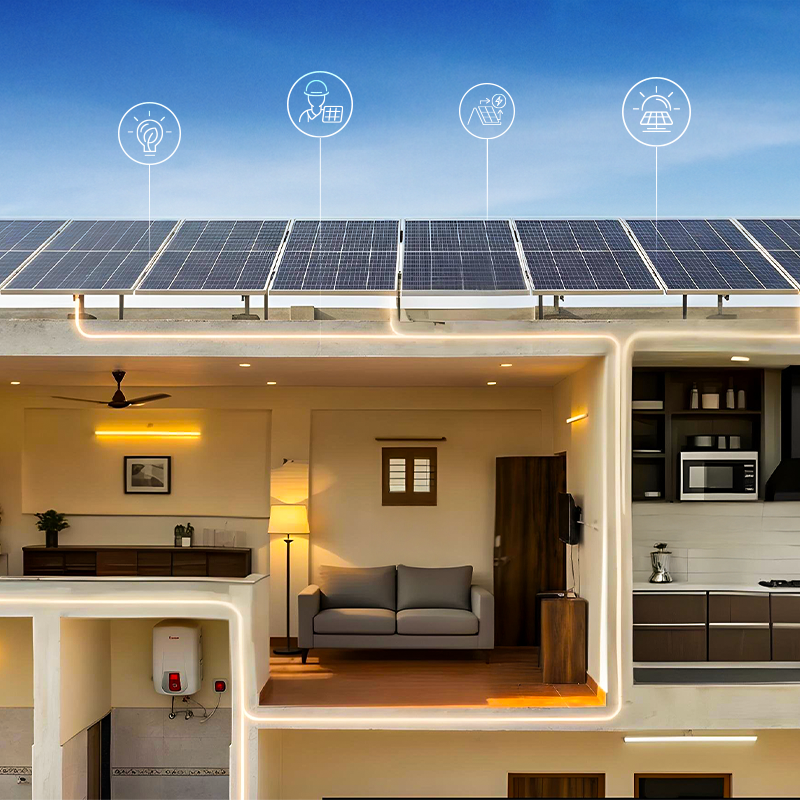
Today a growing number of Indian households and commercial spaces are turning to solar energy as a reliable power solution. Rising electricity tariffs and growing awareness about sustainability have made solar rooftops an increasingly attractive option. Installing rooftop solar solutions allows homes and businesses to generate their own electricity while reducing dependence on conventional power sources.
The advantages of solar rooftops extend beyond simply producing electricity. They offer meaningful long term energy savings, support eco-friendly power generation and help property owners take greater control of their energy consumption. Whether powering everyday home appliances, lights, fans or geysers, rooftop solar systems make clean energy accessible right where it is needed.
Understanding the key benefits of solar rooftops can help more people make informed decisions about switching to solar energy.
What Is a Solar Rooftop System & Why Is It Important?
A solar rooftop system is a power generation setup installed on the roof of a building. It uses photovoltaic solar panels to capture sunlight and convert it into usable electricity for homes or businesses.
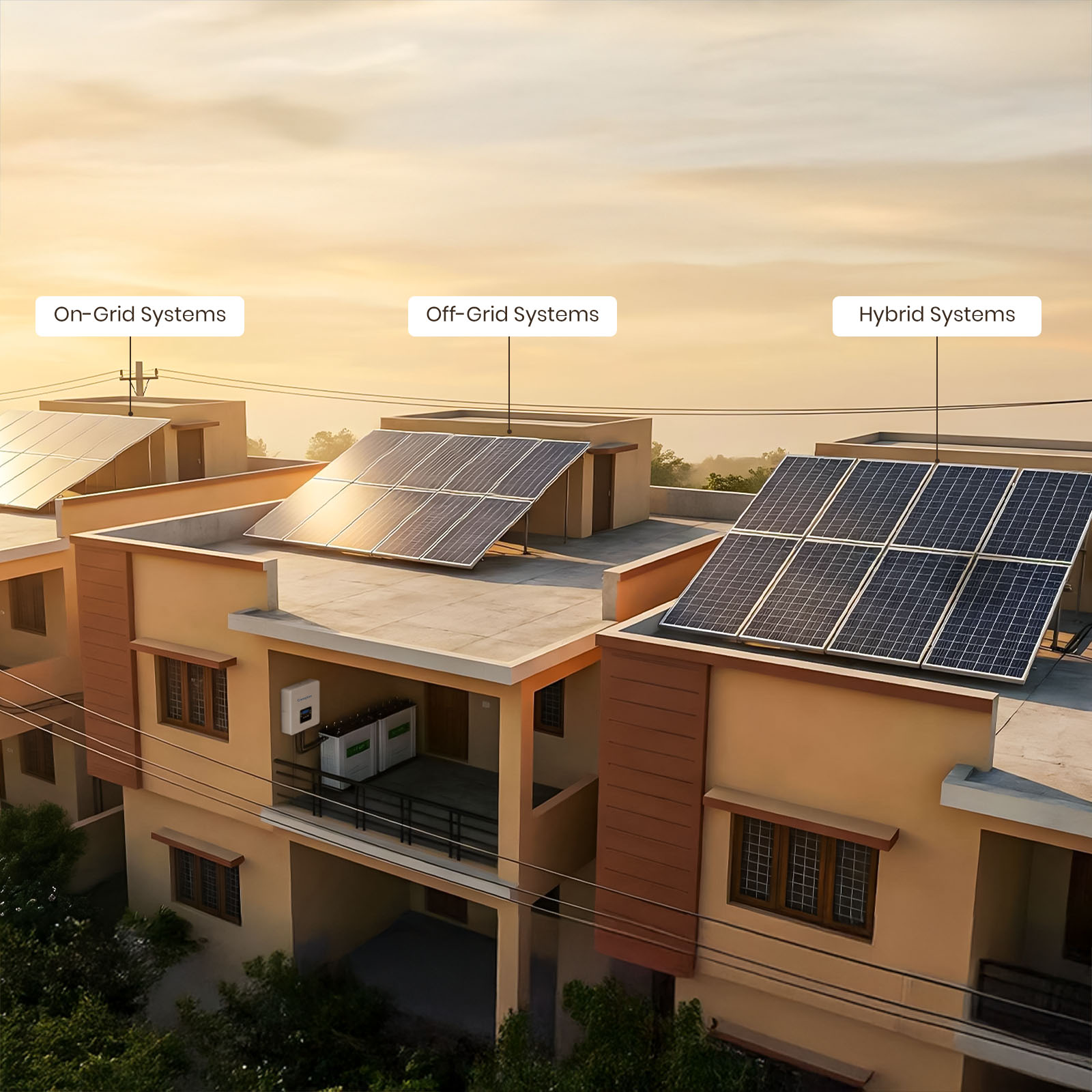
The electricity generated by solar rooftops can power daily energy requirements, including essential home appliances such as lights, fans, refrigerators and geysers. Depending on the system configuration, the electricity produced can be used instantly, stored in batteries or exported to the grid.
The importance of solar rooftops lies in their ability to produce energy at the point of consumption. As the demand for electricity continues to grow, rooftop solar installations play an important role in supporting India’s renewable energy goals.
How Do Solar Rooftops Help Reduce Electricity Bills?
Some of the ways solar rooftop systems contribute to reducing electricity bills are:
-
Self-generated power: Electricity produced by solar panels is used directly within the home or building. This reduces dependence on utility power.
-
Powering everyday appliances: Solar energy can run common home appliances, including lights, fans and geysers, lowering the overall electricity load.
-
Net metering benefits: In grid-connected systems, excess electricity generated during the day can be exported to the grid, allowing users to receive credits on their electricity bills.
-
Lower operational costs for businesses: Commercial establishments can reduce large electricity expenses by using rooftop solar to power offices, lighting systems and equipment.
Benefits of Solar Rooftop Solutions
Following are key benefits of using solar rooftops solutions:
-
Cuts down electricity bills by generating your own power at home or work
-
Makes everyday usage of lights, fans and other appliances more cost-efficient
-
Offers long-term savings with minimal maintenance over the years
-
Support clean, eco-friendly energy that do not produce harmful emissions
-
Reduce dependency on grid electricity and provides relief from frequent power fluctuations
-
Unused rooftop space can be utilised as a productive energy source
-
Provides reliable performance for decades with consistent output
-
Encourages energy independence and smarter consumption habits
Why Are Solar Rooftops Good for the Environment?
Key renewable energy benefits of solar rooftops include:
-
Eco friendly power generation without harmful emissions
-
Reduced dependence on coal-based electricity generation
-
Lower carbon footprint for homes and businesses
-
Cleaner air and reduced environmental pollution
-
Sustainable energy sourced directly from sunlight
-
Reduced strain on natural resources
By choosing solar rooftops, households and organisations actively support a greener energy ecosystem while meeting their electricity needs responsibly.
What Government Incentives Are Available for Using Solar Rooftops?
To promote and increase the usage of renewable energy, the Indian government has incentives and support programs:
-
Subsidies for residential rooftop solar systems
-
Net metering policies that allow users to export excess electricity to the grid
-
Financial assistance and loans for solar installations
-
Tax benefits for commercial solar projects
-
Support from state electricity boards and renewable energy agencies
These initiatives have improved access to solar technology, enabling more households and businesses to experience solar rooftop benefits while contributing to clean energy generation.
How Do Solar Rooftops Contribute to a Sustainable Future?
Solar energy is expected to have a major role in shaping the future of energy in India. Solar rooftops contribute to a more sustainable future in several ways:
-
Reduced dependence on fossil fuels and conventional power
-
Lower greenhouse gas emissions as it is renewable electricity generation
-
Decentralised energy production that reduces grid stress
-
Reliable power for homes and businesses when combined with energy storage
-
Energy independence for households generating their own electricity
-
Support for national renewable energy targets
As technology continues to improve, solar rooftop installations are likely to become a common feature on residential buildings, offices, factories and institutions. The growing adoption of rooftop solar solutions highlights the long-term solar rooftop advantages for both individuals and society.
FAQs on Advantages of Solar Rooftops
How Much Money Can I Save with Rooftop Solar?
Savings depend on electricity consumption, system size and local electricity tariffs. However, many households experience substantial long term energy savings after installing solar rooftops, especially when net metering is available.
Which Homes & Buildings Benefit Most from Solar Rooftops?
Homes with sufficient roof space and good sunlight exposure benefit the most from solar installations. Independent houses, housing societies, commercial buildings, schools and factories are all ideal candidates for rooftop solar systems.
Why Are Solar Rooftops a Long Term Investment?
Solar panels typically last 25 years or more, providing decades of electricity generation. Over time, the reduction in electricity bills makes rooftop solar a financially rewarding investment.
Which Buildings Are Suitable for Rooftop Solar Installation?
Buildings with strong roof structures, unobstructed sunlight and adequate installation space are suitable for solar rooftops. Residential homes, commercial offices, warehouses and institutional buildings are commonly used for rooftop solar installations.
 Read Previous Blog


 at 9228880505 or write to us at
