




 For Gifting


Understanding the Commercial Rooftop Solar Market

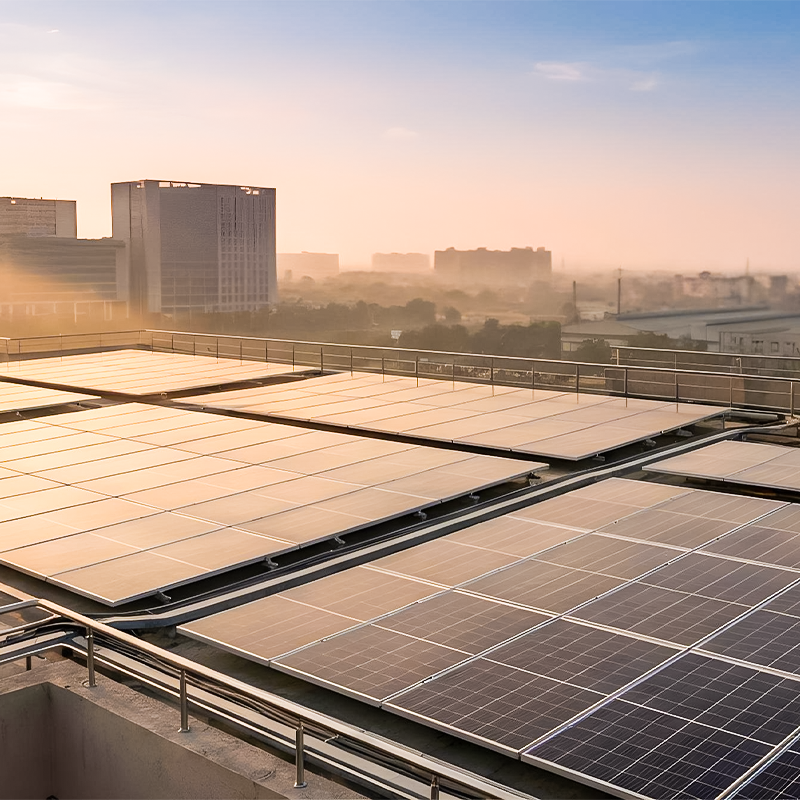
With power costs rising and sustainability becoming a business priority, many companies are turning to solar power as a practical solution. This shift has resulted in the steady expansion of the commercial rooftop solar market across India.
Installing solar rooftops on office buildings, factories, warehouses and commercial complexes allows businesses to generate their own electricity directly from sunlight. This power produced can support day-to-day operations, including lighting systems, machinery, and even facilities that run equipment such as lights, fans, geysers and other home appliances used in staff areas or commercial establishments.
What Is the Commercial Rooftop Solar Market?
The commercial rooftop solar market refers to the installation and use of solar power systems on the rooftops of commercial and industrial buildings.
Commercial solar installations typically include solar panels, inverters, mounting structures and electrical connections that integrate the solar system with the building’s power supply. These systems form a reliable solar power infrastructure for commercial sector, helping businesses reduce their dependence on traditional electricity sources.
The electricity generated can support various operational needs such as lighting, air conditioning, office equipment and other energy-intensive processes. In many commercial settings, solar energy can also power facilities that operate lights, fans and geysers, while supporting broader electricity demands across the building.
Why Are Businesses Investing in Rooftop Solar Systems?
Several factors are encouraging organisations to go for commercial solar energy adoption.
-
Lower electricity costs: Solar systems help businesses reduce dependence on grid power.
-
Long-term financial savings: Once installed, solar systems generate electricity for a long time with minimal operating costs.
-
Sustainability commitments: Many organisations want to reduce their carbon footprint and hence are adopting cleaner energy sources.
-
Better energy management: Solar systems provide businesses with greater control over energy consumption.
-
Support for operational infrastructure: Solar energy can power commercial lighting systems, workspaces and equipment.
How Do Commercial Rooftop Solar Systems Work?
Commercial solar systems follow a straightforward process to generate electricity.
-
Solar panels capture sunlight and convert it into direct current (DC) electricity.
-
Inverters convert DC electricity into alternating current (AC) that can be used within the building.
-
The electricity generated powers commercial operations and equipment.
-
Excess electricity generated by the system may be exported to the grid, depending on the system configuration and local policies.
-
Solar energy can support building infrastructure such as lighting systems, cooling systems and equipments
Through this process, businesses can produce clean energy directly from their rooftops.
What Factors Are Driving Growth in the Commercial Solar Market?
The expansion of the commercial solar sector is influenced by several important factors.
-
Increasing electricity tariffs that in turn increase operational costs
-
Improved solar technologies are more efficient and reliable
-
Support of government incentives and policies for renewable energy adoption
-
Growing demand for distributed solar generation for businesses
-
Corporate sustainability initiatives encouraging clean energy use
-
Expansion of solar power infrastructure for commercial sector
These drivers are helping accelerate the development of the commercial rooftop solar market across India.
Why Is Commercial Rooftop Solar Key to Sustainable Business Operations?
For businesses looking for long-term sustainable options, business rooftop solar installations offer both economic and environmental benefits. By installing solar systems, companies get the option to generate renewable electricity and lower operational costs. With passage of time a reduction in electricity bills can significantly improve cost efficiency for organisations with high power requirements. As businesses adopt clean energy sources, they reduce dependence on fossil-fuel-based electricity and contribute to lower carbon emissions.
FAQs on Commercial Solar Rooftop Market
How do commercial rooftop solar systems reduce electricity costs?
By generating their own solar power, businesses reduce their dependency on the amount of electricity they need to purchase from the grid, thereby lowering operating expenses over time.
Which industries benefit most from rooftop solar installations?
Industries with large rooftops and high electricity consumption benefit the most. Manufacturing units, warehouses, shopping malls, office buildings, hospitals, hotels and educational institutions are common adopters of rooftop solar systems.
What government policies support commercial rooftop solar in India?
The government supports solar adoption through policies such as net metering, renewable energy incentives and programs that encourage businesses to invest in solar power infrastructure.
What is the future of commercial rooftop solar adoption?
The future looks promising as more companies focus on sustainability and cost efficiency. Continued advancements in solar technology and supportive government initiatives are expected to accelerate commercial solar adoption in the coming years.
 Read Previous Blog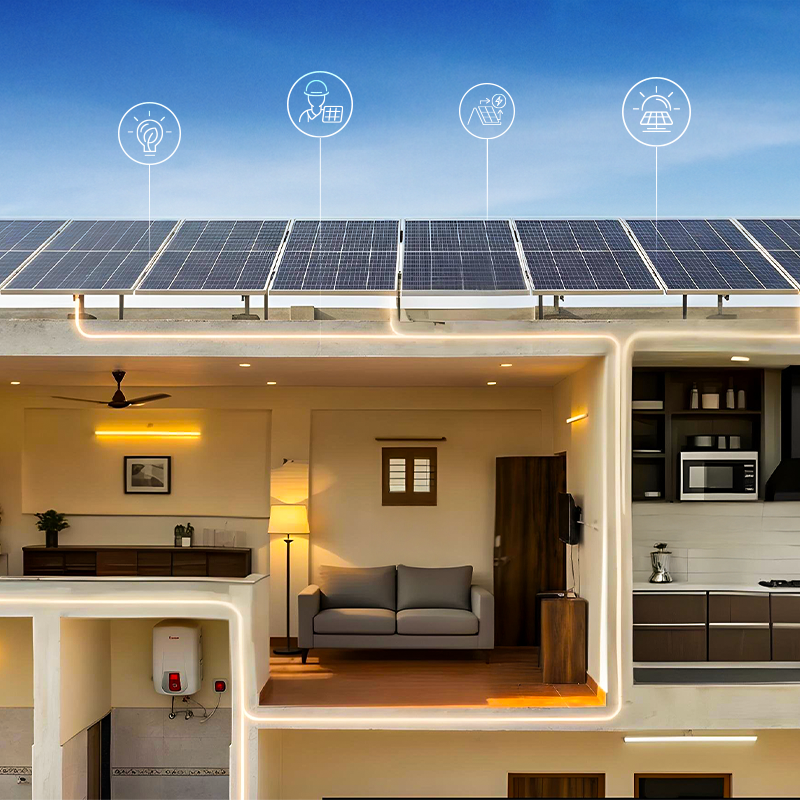


 at 9228880505 or write to us at
