




 For Gifting


Understanding the Residential Rooftop Solar Market

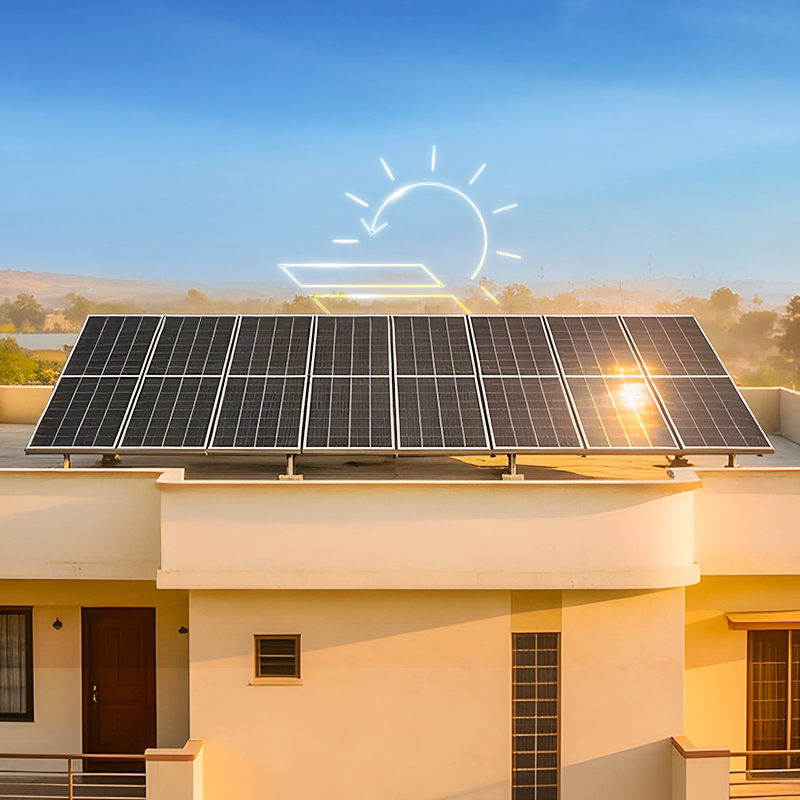
The way households generate and consume electricity is gradually changing in India. Rising energy costs, growing environmental awareness and supportive government policies are encouraging homeowners to explore solar energy. As a result, the residential rooftop solar market is expanding steadily across the country.
Installing solar rooftops allows homeowners to produce electricity directly at home using sunlight. With improvements in solar technology and greater accessibility to installation services, home solar power systems are becoming a practical option for many Indian households.
What Is the Residential Rooftop Solar Market?
The residential rooftop solar market refers to the adoption and installation of solar power systems on the rooftops of residential buildings. These systems capture sunlight through solar panels and convert it into electricity that can be used within the household.
Residential solar systems typically consist of solar panels, mounting structures, an inverter and electrical wiring. These components form the home solar power systems capable of generating electricity for daily household needs. The power generated can run essential devices such as lights, fans, refrigerators and geysers, reducing the need to rely entirely on grid electricity.
In India, the residential rooftop solar market includes independent homes, villas, housing societies and apartment buildings that install rooftop solar systems. The growth of this sector reflects the increasing interest in solar power for households, particularly in urban areas where electricity demand continues to rise.
Why Is the Residential Rooftop Solar Market Growing in India?
Several factors are contributing to the rapid growth of the residential rooftop solar sector nationwide.
-
Rising electricity costs: Increasing power tariffs encourage homeowners to look for cost-effective energy alternatives.
-
Government incentives: Subsidies and solar promotion programs make rooftop solar systems more affordable for households.
-
Greater awareness of renewable energy: More homeowners understand the benefits of clean and sustainable energy solutions.
-
Technological improvements: Modern solar panels and inverters are more efficient and reliable.
-
Long-term savings: Solar installations have predictable energy costs and help reduce electricity bills.
What Factors Are Driving Residential Solar Adoption?
The shift toward solar energy in homes is influenced by several key drivers that make rooftop solar systems both practical and attractive.
-
Increasing urban energy demand: As cities grow, households require more electricity to power home appliances, lights, fans and geysers.
-
Declining solar installation costs: Over the past decade, solar equipment and installation costs have become cheaper.
-
Energy independence: Homeowners can generate their own electricity instead of relying entirely on grid power.
-
Net metering policies: Homeowners can export surplus electricity generated by solar rooftops to the grid.
-
Environmental responsibility: Many families select solar energy as part of a broader effort to reduce their carbon footprint.
What Challenges Affect the Residential Rooftop Solar Market?
Despite its growth, the residential solar sector still faces certain challenges that can slow down adoption in some areas.
-
Initial installation costs: Even with subsidies, the upfront investment can be a concern for some homeowners.
-
Limited awareness in smaller towns: Many households are still unfamiliar with how rooftop solar systems work.
-
Roof space constraints: Not all homes have sufficient rooftop space for solar panel installation.
-
Maintenance concerns: Some homeowners worry about the long-term servicing requirements of solar systems.
Why Is Residential Rooftop Solar Important for India’s Energy Future?
Residential solar systems play a crucial role in building a more resilient and sustainable energy system for the country.
-
Reduces pressure on traditional power grids by generating electricity locally.
-
Supports renewable energy targets set by the government.
-
Encourages clean energy adoption at the household level.
-
Helps households manage energy costs through long-term savings.
-
Promotes decentralised power generation across cities and towns.
As more families adopt home solar power systems, rooftop solar installations will contribute significantly to India’s transition toward sustainable energy.
FAQs on Residential Solar Rooftop Market
Why is rooftop solar becoming popular among homeowners?
Rooftop solar demand in residential sector is increasing because these systems allow homeowners to generate electricity using sunlight, helping in the reduction of electricity bills and supporting sustainable energy use.
What government schemes support residential rooftop solar in India?
The Indian government offers several initiatives to promote rooftop solar adoption, including subsidy programs for residential solar installations and net metering policies that allow households to export excess electricity to the grid.
Which cities have the highest rooftop solar adoption in India?
Cities such as Bengaluru, Ahmedabad, Pune, Delhi, Hyderabad and Jaipur have witnessed significant growth in residential rooftop solar installations due to strong government support and higher awareness of renewable energy.
 Read Previous Blog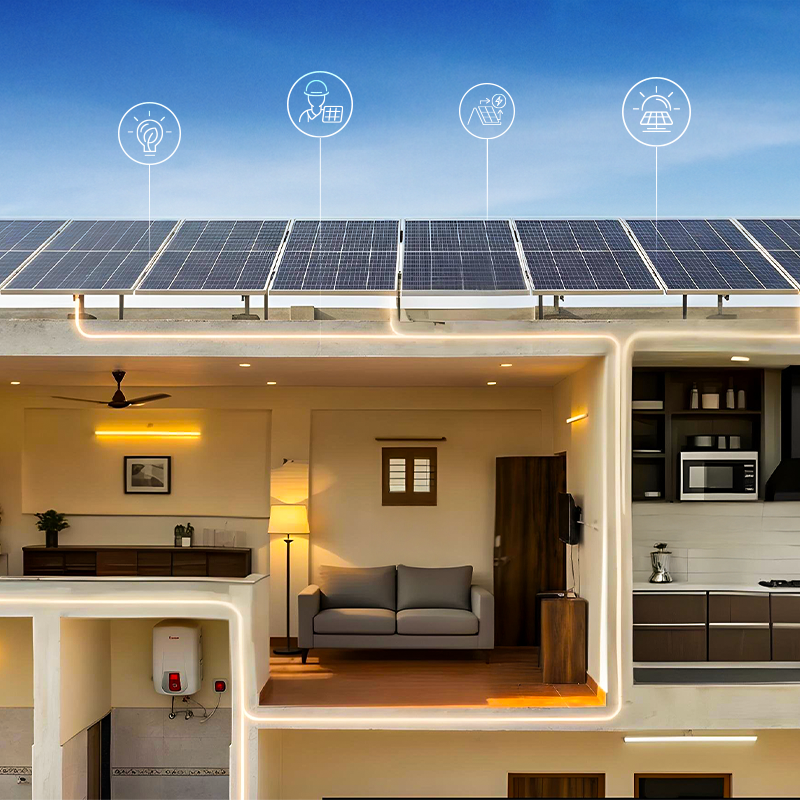


 at 9228880505 or write to us at
