


Guide to Types of Phone Chargers

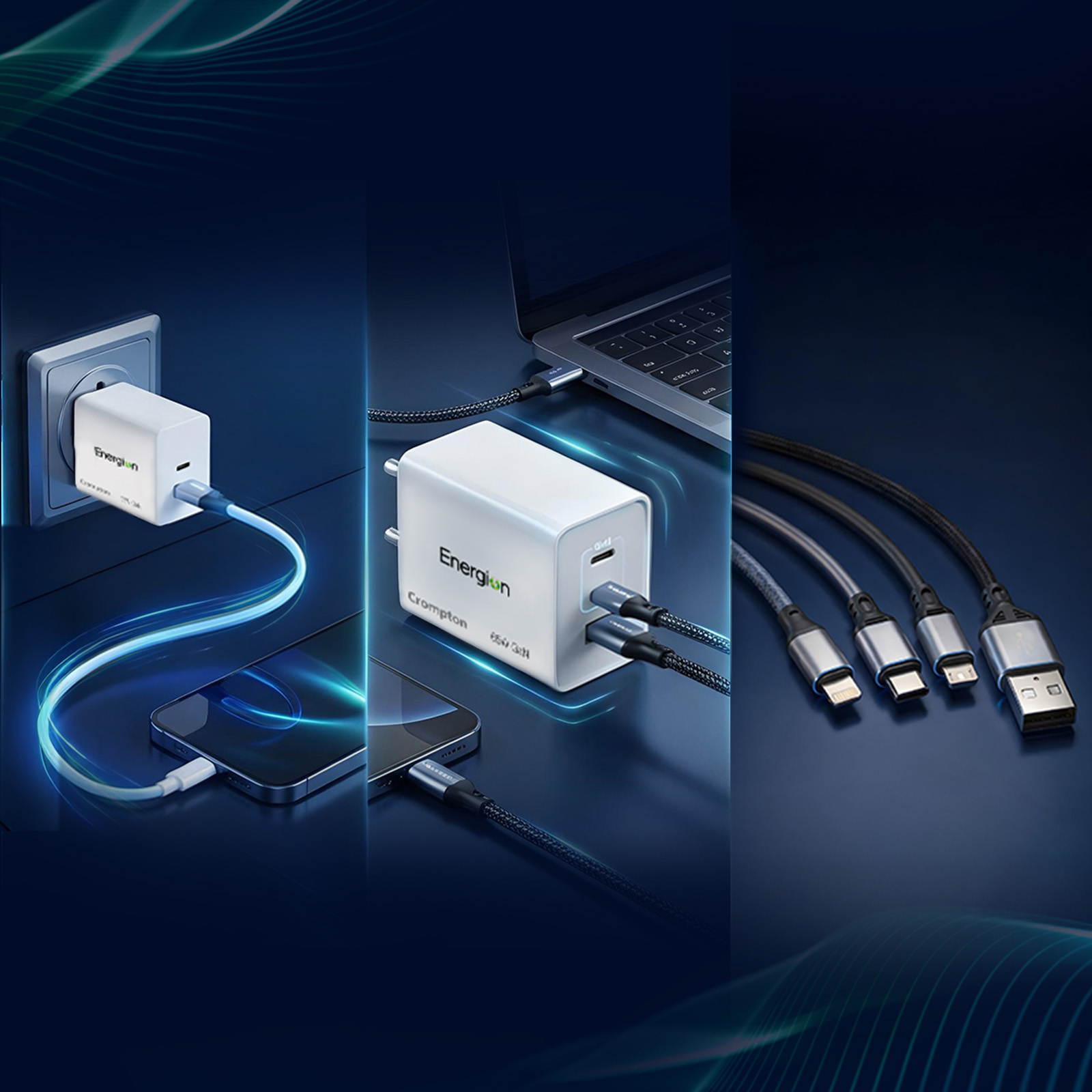
Most of us do not think about our phone charger until the day we cannot find it or when a borrowed one charges painfully slowly. A phone may be smart, fast and powerful, but its usefulness still depends on something very simple: reliable charging. Over the years, chargers have quietly evolved from basic power adapters into carefully designed electronics that protect batteries, shorten charging time and improve safety.
Because of this progress, there are now several types of phone chargers available, each suited to a particular usage pattern. Some prioritise speed, others convenience, and some focus on portability. Choosing the right option matters just as much as choosing a good device. Much like selecting dependable home appliances or using a proper extension board to distribute electricity safely, the right charger ensures both performance and long-term device health.
Understanding mobile charger types helps you avoid slow charging, overheating and unnecessary battery wear. The aim of this charger compatibility guide is simple, make everyday charging easier by explaining the different types of phone chargers in clear, practical terms.
How Has Phone Charging Technology Evolved?
In the early days of mobile phones, charging was simple and predictable. Every brand used its own connector, and the adapter supplied a fixed, low-level of power. Phones were used only for calling and sending messages, so batteries lasted longer and there was little urgency. Plugging the phone in overnight became routine because charging slowly was normal and perfectly acceptable.
As smartphones became part of everyday life, expectations changed. Larger displays, use of the internet, streaming, navigation and constant notifications have significantly increased power consumption. Batteries drain faster and users no longer want to wait hours beside a socket. This has led to the shift towards standard USB charging, making cables more interchangeable and reducing the need to carry different chargers for different devices.
Smartphones come with smarter charging circuits that optimize battery charging and improve long-term battery health. This has led to an improvement in chargers as well. Instead of a steady, slow flow of electricity, chargers now modify their output to the battery's charge. A phone can be charged quickly, and the charger automatically slows as it nears full capacity. This helps protect battery life.
Today’s mobile phone charger types are designed keeping practical everyday needs in mind:
-
Speed - for quick top-ups during short breaks
-
Safety - for protection from overheating and voltage fluctuations
-
Convenience - provides support for multiple devices
Charger Types Based on Connector Styles
The connector plays the role of decision-maker in the efficiency of a charger and phone working together. The adapter may be delivering adequate power but the wrong connector can limit charging speed or prevent charging entirely. Below are the most common types phone chargers used today and how they differ in everyday use:
-
USB-A - This is the traditional rectangular port seen on older wall adapters and accessories. It is still commonly available but usually provides slower charging compared to newer connectors. It is suitable for basic charging needs and older devices.
-
Micro-USB - Found on many earlier smartphones, Bluetooth speakers, earphones and smaller electronics. While reliable, it must be inserted in a specific orientation and usually supports moderate charging speeds.
-
USB-C - The modern standard across most new smartphones and gadgets. It is reversible, meaning it connects either way, and supports significantly higher power transfer along with faster data communication.
-
Lightning-style connectors - Designed to be used with specific device ecosystems, they are shaped to fit only compatible products. They usually provide stable charging.
-
Magnetic connectors - Attach easily through magnetic alignment, reducing wear on ports and improving convenience, especially for frequent charging.
Among the options mentioned above, the USB-C charger benefits stand out in daily use. There is no guesswork to plug it in, it supports faster charging speeds and works across a wide range of devices, including tablets and even laptops. This versatility reduces cable clutter, making it the most practical connector for modern charging setups.
What Are Charging Speeds & What Do They Mean for Daily Use?
Charging speed affects how convenient a charger is in real situations. Two adapters may look the same and yet the time they take to make your phone usable again can vary greatly. Understanding the practical meaning of different speeds helps you match a charger to your routine instead of guessing.
-
Standard charging: Slow and steady power delivery. Ideal for overnight charging when time is not a concern and battery heat remains minimal.
-
Moderate charging - A balanced pace suited to everyday routines such as charging during work hours or while commuting.
-
Fast charging - Noticeably quicker recovery. Even a short plug-in during a tea break can add meaningful battery life.
-
Rapid charging - Designed for urgent situations where you need a large percentage in a very limited time.
-
Adaptive charging - Automatically adjusts speed depending on battery level and temperature to protect battery health.
The difference between a fast charger vs normal charger is obvious on busy days. A fast charger can restore enough battery for calls, navigation or messaging within minutes, while a regular charger might only move the percentage slightly. Over time, that saved waiting becomes one of the most practical advantages of modern charging technology.
Wall Chargers, Wireless Chargers & Portable Options
Phone chargers are designed not only around technology but also around where and how you use your device. Different environments call for different charging solutions, which is why there are several practical options available today:
-
Wall chargers - These are the most common choice for homes and offices. They plug directly into a socket and provide stable and dependable charging. Ideal for overnight charging or work desks where you regularly place your phone in one spot.
-
Multi-port chargers - These are effective in shared spaces or for people who carry multiple gadgets. Instead of occupying several sockets, one adapter can be used to power phones, earphones or smart devices together, keeping cables organised.
-
Wireless charging pads - Focus on comfort rather than speed. You simply place the phone on the pad without connecting a cable. This works well on bedside tables or office desks where you frequently pick up and put down the device.
-
Magnetic wireless chargers - Improve on wireless charging by automatically guiding the phone into the correct position. This avoids misalignment and ensures consistent charging.
-
Car chargers - Designed for travel, they keep navigation and calls running during long drives without worrying about battery drain.
-
Portable power banks - They provide charging when sockets are unavailable, making them useful during commutes, power cuts or during outdoor activities.
Each option solves a different everyday problem, stability at home, convenience at the desk, or backup power on the move.
Fast Charging Technologies Explained Simply
Modern charging does not work like it once did, where electricity flowed at the same rate from start to finish. Today’s chargers adjust their output depending on how full the battery is and how much power it can comfortably handle at that moment. In simple terms, quick charge technology explained means the charger provides higher energy when the battery is low and gradually eases off as it fills.
When you first plug in a nearly empty phone, the battery is able to accept energy quickly. The charger therefore allows a stronger flow of power so you gain usable charge within minutes. As the battery percentage rises, internal resistance increases and heat can build up if power remains high. To prevent this, the charging system automatically reduces the speed.
You will often notice a pattern:
-
The first portion of charging feels very fast
-
In the middle, the charging slows slightly
-
During the final stretch, it takes the longest
This behaviour is deliberate. Keeping high power until 100% can put stress on the battery and shorten its lifespan. Instead, the charger shifts to a gentler rate when the phone is near full capacity. Thus, maintaining battery health over time.
So, for example, if a phone is reaching 50% quickly but taking longer to fully charge, it is not being inefficient; it is being protective. The internal system balances speed and safety. This allows for convenient top-ups during the day without compromising on long-term performance.
How to Choose the Right Charger for Your Phone?
Selecting the right charger is not as much about brand preference as it is about compatible for your device and routine. A charger that matches your phone’s needs will charge reliably and help maintain battery health over time.
-
Confirm connector compatibility - The cable should fit securely without force to avoid damaging the charging port
-
Match charging speed support - Using a very high-power adapter offers no benefit if the phone cannot utilise it
-
Check the power output rating - Align the adapter’s output with your phone’s recommended range
-
Look for safety protection - Good circuits don’t let the phone overheat and provide stable charging
-
Consider your usage routine - Desk charging, bedside charging or travel use may require different charger styles
A well-matched charger improves convenience and reduces long-term wear on both battery and cable.
Why Safety Matters?
Safety is the most important factor to consider when choosing phone chargers. A well-designed charger provides protection against overheating, short circuits and voltage fluctuations. This not only protects your mobile device but also reduce risks for family members and pets. This is especially important as chargers remain plugged in for extended periods of time at home
Why Branded Chargers Are a Better Choice
Opting for branded chargers like from Crompton ensures reliable performance and better device protection. Trusted brands follow strict quality standards and include advanced charging technologies such as QC, PD and PPS for faster, stable charging. Many modern chargers also use GaN technology, improving efficiency while keeping the charger compact and durable.
Practical Selection Tips
Selecting a charger becomes easier when you relate it to how you actually use your phone throughout the day, instead of just comparing specifications. Different scenarios require different options and selecting your charger accordingly improves convenience and battery care.
-
Daily home use - standard wall charger
Reliable, steady charging that works well for overnight or routine charging without consuming excessive power.
-
Frequent short charging breaks - fast charger
Helps when you need quick top-ups between meetings, at travel stops or during busy schedules.
-
Multiple devices - multi-port adapter
Reduces clutter and lets you charge multiple gadgets from a single socket.
-
Travel - portable power bank
Provides backup when charging points are unavailable or uncertain.
-
Desk convenience - wireless charger
Makes it easy to place and pick up your phone repeatedly without plugging cables.
The right choice balances speed, safety and everyday comfort rather than focusing only on maximum power rating.
Choosing the Right Charger with Confidence
Knowing about the different mobile charger types makes daily charging far more predictable and comfortable. The right choice means fewer interruptions, steadier charging and less strain on the battery over time. Whether you charge briefly during the day or overnight, a compatible charger simply does its job without drawing attention. When technology works quietly in the background and keeps your phone ready whenever you need it, you know you have chosen well.
FAQs on Types of Phone Chargers
Which types of phone chargers are best for smartphones?
The most suitable charger for a smartphone is not necessarily the most powerful one available, but the one that works harmoniously with the device’s charging capability. A well-matched fast charger usually offers the best balance. It quickly restores the battery when you need it and automatically slows down as the battery fills. Equally important is reliability; stable output and proper safety protection help preserve battery health over time. In everyday use, the ideal charger is simply the one that keeps your phone ready without excessive heat, long waiting periods or constant cable adjustments and even when used through an extension board.
How many types of charging cables are there?
Charging cables vary as per connector style and the maximum power they can deliver safely. Modern smartphones are usually compatible with USB-C cables, while older devices may require micro-USB or other connectors. Some cables support higher current for faster charging whereas basic ones support only standard charging speeds. To work correctly, the cable must match both the charger’s output and the phone’s port.
 Read Previous Blog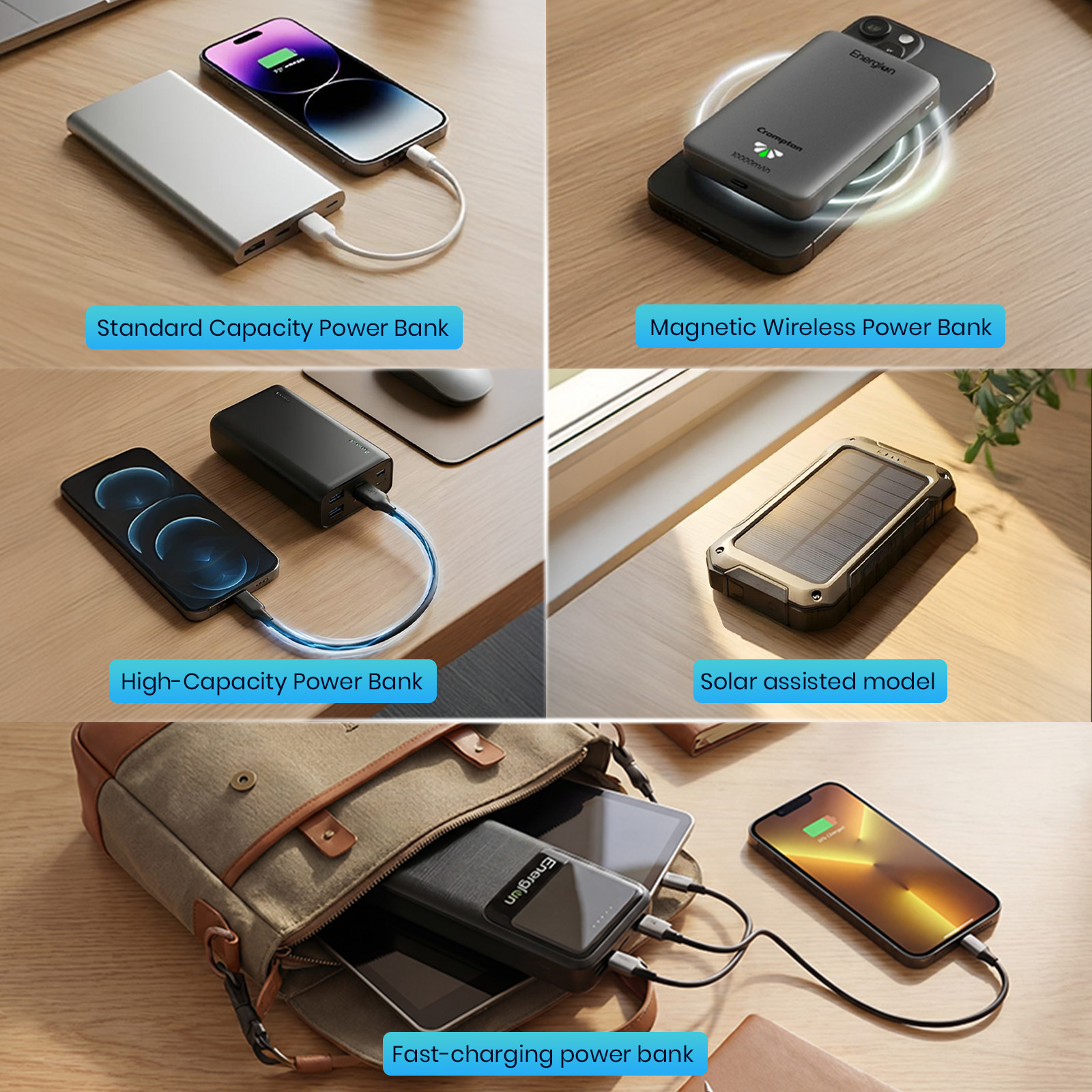

 at 9228880505 or write to us at
