





Why it is Important to Coat Electric Wires with PVC

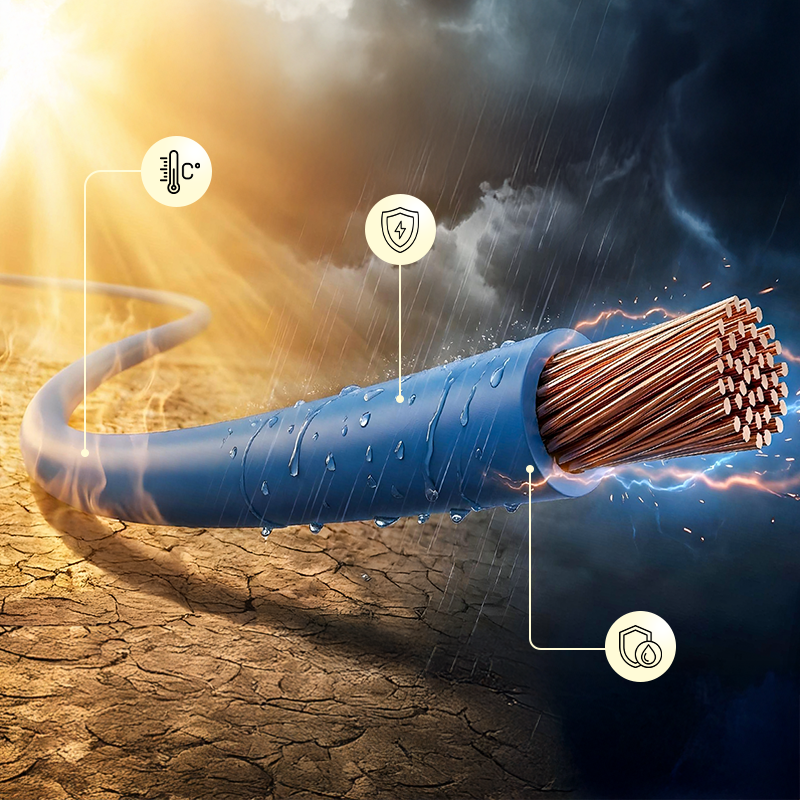
If you live in a building with a modern electrical system, every cable behind your walls is protected by a PVC coating. PVC, or Polyvinyl Chloride, is the leading material used for electric wire insulation. Let’s explore its benefits, especially for local conditions, and understand why are electric wires coated with PVC.
Why Is PVC Used for Electrical Wires?
PVC insulation is the tough, flexible layer wrapped around metal conductors in electric wires. It acts as a barrier, making sure the current flowing through the wire stays where it should—inside the metal—not leaking out and causing shocks or fires. These properties answer why electrical wires are coated with PVC, providing safety and durability in daily use.
PVC is the go-to for house wiring. Without this protective cover, wires are exposed to humidity, dust, physical impact, and accidental human contact. PVC is an excellent insulator: it does not let electricity pass through and stands up well to high voltages, making it reliable for everything from regular lights to heavy appliances. That's why nearly every electric wire in new buildings today has a PVC covering.
Benefits of PVC-Insulated Electric Wires
You might ask, Why are electric wires coated with PVC? The answer is:
Electrical Safety: PVC is a poor conductor of electricity, helping keep people safe by stopping current from escaping the wire and causing short circuits or shocks. Even when several wires are running together, there’s less risk of stray current, making installations safer for everyone.
Fire Resistance: When overloaded, wires insulated with PVC are much less likely to catch or spread fire—critical for residential and commercial safety.
Moisture Shielding: Humidity and water are everyday realities, especially during the monsoon season. PVC insulation keeps water and corrosive chemicals out, ensuring your electric wire won’t rust or short-circuit, whether it’s in a kitchen, bathroom, or outdoors.
Mechanical Strength: PVC insulated wires are flexible but durable. When pulling cables through narrow walls or conduits, the coating doesn’t easily crack or tear, which is important during house wiring, from city apartments to larger buildings.
Affordable and Long-Lasting: When comparing electric wire prices, PVC offers great value thanks to its lower manufacturing costs and long service life. In large-scale house wiring projects, using PVC means fewer replacements and better cost control over time.
Picking the Right House Wire for Your Needs
Getting house wiring right means paying attention to a few practical factors:
-
Voltage and Current: Match your wire’s voltage and current rating with its intended use. For most homes, standard wires are rated for 230V. High-demand appliances may need thicker, higher-rated wires.
-
Core Material: Copper is standard in most electric wires, thanks to its superior performance, but aluminium is also used for lighter, more economical installations. Both work well with PVC insulation.
-
Wire Thickness: Higher-powered devices—like geysers, air conditioners, or induction cooktops—need thicker wires. Use ampacity charts or ask a professional when choosing for safety and efficiency.
-
Adapted for Weather: Some cables come with added UV and weather resistance for outside use or challenging indoor spaces prone to moisture or heat. This feature can make all the difference in regions with heavy monsoon or intense summers.
Installation and Maintenance for Safe Wiring
-
Professional Installation: Always depend on licensed electricians for wiring upgrades or new installations. PVC’s effectiveness relies on correct installation—cables routed cleanly, held in place without pressing against sharp edges, and safely isolated from heat or chemical exposure.
-
Check Regularly: Look for cracks, fading, or signs of wear in wires insulated with PVC. Damaged insulation needs to be immediately replaced to prevent shocks or electrical faults. Regular inspection is especially important in houses with older wiring.
-
Manage Electrical Loads: Don’t overload your circuits. Heavy usage can create heat that eventually damages the PVC layer, sparking potential hazards. Distribute high-power devices across separate lines and use proper circuit breakers.
Choosing Quality PVC-Insulated Products
Prioritise wires and cables that come with clear certification. Look for labels that confirm compliance with Bureau of Standards specifications—a common practice among top manufacturers for local house wiring and commercial projects. Quality cables not only last longer but also provide peace of mind for your investment. Reading product descriptions and user reviews can further help you choose reliable brands.
Conclusion
PVC insulation is the foundation of safe, durable, and affordable house wiring. It offers protection by providing high insulation, moisture resistance, fire retardancy, and mechanical durability—making it ideal for diverse and challenging climate conditions. When selecting wiring solutions, Crompton stands out as a trusted leader with commitment to quality and innovation—offering a comprehensive range of house wiring products designed to meet the highest safety standards.
FAQs on Importance of PVC Insulation in Electric Wiring
1. Why are electric wires coated with PVC?
PVC coating provides electrical insulation, preventing shocks and short circuits while protecting wires from moisture, chemicals, and physical damage.
2. Are PVC wires safe?
Yes, PVC-coated wires are tested for safety, offering excellent insulation that prevents electric shocks and reduces fire risks, making them safe for residential and commercial use.
3. How long do PVC-coated wires typically last?
Under normal indoor conditions, PVC-coated wires can last several decades, often 40-70 years, depending on usage and maintenance.
4. Are PVC-coated wires waterproof?
PVC-coated wires have good water resistance for short-term exposure but are not fully waterproof; prolonged contact with water may degrade insulation unless specially designed for waterproof applications.
 Read Previous Blog



 at 9228880505 or write to us at
