





Best Electrical Wires for Home: Top Choices for Safety & Performance

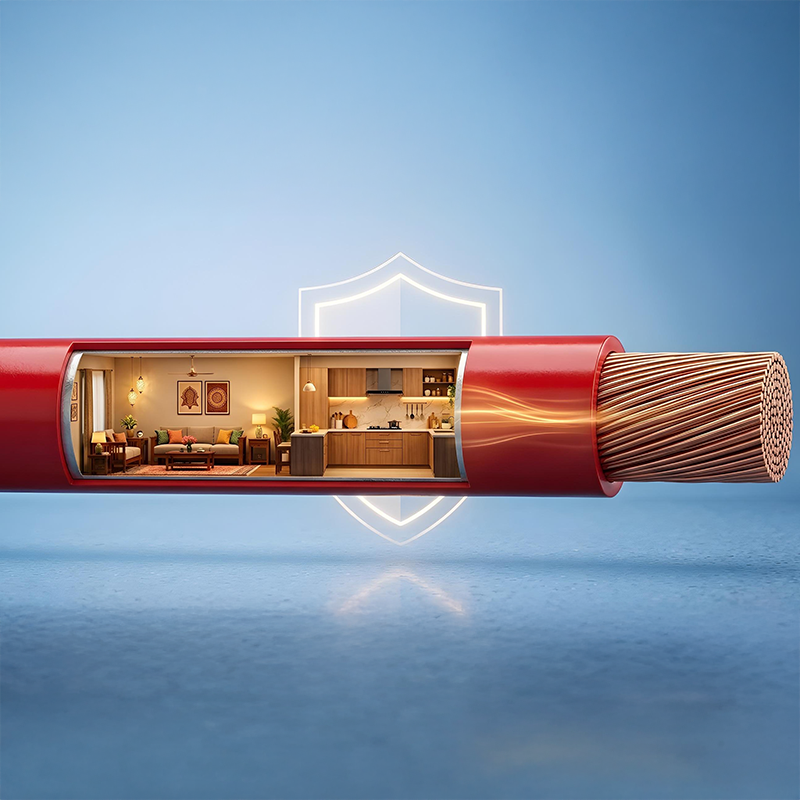
Wires are usually out of sight, tucked behind walls, neatly hidden in conduits or ceilings. We don’t think much about them post their installation. Yet they quietly power everything, from the smallest night lamp to large appliances like washing machines and air-conditioners. When you break it down, your home’s functionality depends heavily on something as unassuming as an electric wire. That’s why choosing the best electrical wires for home is one of the most important decisions you can make during construction or renovation.
The idea is simple: a good electric wire should deliver electricity safely, smoothly and consistently. But in reality, a lot more goes into selecting the best wire for house wiring. You have conductor material, insulation quality, cable thickness, durability, heat resistance and safety ratings to consider. With homes today carrying more electrical load than ever—thanks to multiple appliances, charging devices and smart systems—your wiring needs to match the demand.
This guide walks you through everything you need to know before you pick the best electrical wire for house. The goal isn’t just to help you understand wires better, but to make sure you’re choosing the safest, most reliable option for your home.
Best Wire for House Wiring & How to Choose One
Selecting the best wire for home wiring does not have to be complicated. But it does require some attention to detail. A wrong choice here can affect performance, lead to overheating or, in the worst cases, create fire hazards.
Below are the essential factors that help you identify the best wire for wiring a house.
Wire Insulation’s Colour
Colour coding might seem like a small detail, but it’s actually one of the most important safety features in residential wiring. Every colour has a specific meaning, which helps electricians easily identify the purpose of each wire.
Here’s the general colour guide used in most Indian homes:
-
Red, Yellow, Blue - Phase or live wires
-
Black - Neutral wire
-
Green - Earthing wire
If your home wiring uses these colours consistently, future repairs or upgrades become much easier and safer. Any professional electrician can walk in, understand the layout and handle the wiring without confusion. When selecting the best electrical wires for home, always check that the brand follows proper insulation colour standards.
Wire Insulation Must Be Checked
Insulation is the protective layer that prevents the conductor from coming into contact with heat, moisture or other wires. Even the strongest copper conductor fails if the insulation is of poor quality. It’s one of the first things you should check when picking a house wire.
Good insulation should be:
-
Heat resistant
-
Fire retardant
-
Moisture resistant
-
Crack-proof
-
Flexible enough for installation
PVC (Polyvinyl Chloride) is commonly used and performs well in typical home conditions. Some higher-end wires come with FR (Fire Retardant), HRFR (Heat Resistant Fire Retardant) or FRLS (Fire Retardant Low Smoke) insulation. These variations reduce the risk of fire spreading and limit smoke emission, adding another layer of safety.
When shopping around, pick up the wire and feel it. Good insulation feels smooth, uniform and firm—not brittle or flimsy. This small test alone helps you identify the best quality electric wire for house.
Select The Correct Cable Size
Choosing the right cable size (often measured in sq.mm) is crucial. Cable size determines how much current the wire can safely carry. If you choose a wire that’s too thin for the appliances connected to it, the wire may heat up, melt or short circuit. On the other hand, selecting an excessively thick cable unnecessarily increases costs.
Common household cable sizes include:
-
1.0 sq.mm – Light fixtures, lamps, fans
-
1.5 sq.mm – 6A plug points, switchboards
-
2.5 sq.mm – Power sockets, medium-load appliances
-
4 sq.mm and above – High-load appliances such as ACs, geysers, ovens
For the best electrical wire for house, always match cable size to the circuit’s load demand. A qualified electrician can help you determine this based on your home’s floor plan and electrical layout.
Choose The Material Of High Quality
When people talk about wires, they’re usually referring to copper or aluminium conductors. Copper remains the preferred choice for home wiring for several reasons:
-
It is a good conductor of electricity
-
It handles heat better
-
It is less prone to breakage
-
It has a longer lifespan
-
It offers reliable performance under varying loads
Aluminium, while lightweight and less expensive, is more commonly used in large-scale power distribution rather than inside homes.
If you’re aiming for the home wiring best wire, pure copper conductors with multi-strand construction are ideal. They bend easily during installation and reduce the chances of internal breakage.
Determine the Electrical Load
Every home has a different electrical load, depending on the number of rooms, appliances and lifestyle habits. Some families use multiple air-conditioners, while others have several computers or smart devices running simultaneously.
Before wiring your home, calculate the total load:
-
Lighting
-
Kitchen appliances
-
Entertainment devices
-
Motors and pumps
-
Air-conditioners and heating appliances
This helps determine:
-
Conductor size
-
Insulation type
-
Number of circuits
-
Type of MCBs and safety devices
Check Local Electrical Codes & Consider Special Requirements
Electrical codes help your wiring comply with the safety standards. They provide guidelines on:
-
Minimum size of the cable
-
If earthing is required
-
What is the rating for the insulation
-
Fire safety
-
Voltage drop limits
-
Wire routing and conduit placement
There may also be special requirements to consider, depending on your home design:
-
Outdoor areas may need weatherproof wiring
-
Kitchens may require heat-resistant wires
-
CCTV systems and alarms may demand specialised cables
-
Smart home systems may need data cables with shielding
Including these considerations helps you choose the best electric wire for house wiring that suits the unique needs of your property.
Types of Electrical Wires for Home Wiring
Here are some of the types of wires used in residential purposes:
Single-Core Wires
These include one conductor and one insulation layer. They are durable and usually used for internal wiring. They have a straightforward structure which makes them easy to install and maintain.
Multi-Core Cables
These consist of multiple insulated conductors within one outer jacket. They’re ideal for more complex circuits or devices that require multiple wires running together.
Flexible Wires
Made of fine copper strands, flexible wires are used in appliances, extension cords and other setups where movement is expected. Their flexibility reduces the risk of conductor breakage.
Coaxial Cables
Coaxial cables can transmit high-frequency signals with minimal interference. They are usually used for TV and broadband connections.
Armoured Cables
These are reinforced with a protective metal layer. While not commonly used inside homes, they’re perfect for outdoor or underground wiring.
Understanding these types ensures you pick the best electrical wires for home based on function, location and safety requirements.
Choose The Material Of High Quality
Here are some practical things homeowners can do:
-
Look for markings on the wire, including size, material and certification.
-
Ask for test reports or brand documentation.
-
Compare strand count - more strands generally indicate better flexibility.
-
Check if the copper looks bright and uniform instead of dull or patchy.
-
Pay attention to weight. Pure copper wires usually feel slightly heavier than mixed-metal wires.
If you’re investing in wiring for a new home, don’t compromise on conductor purity. It directly affects how long your wiring system lasts and how reliably it handles everyday loads.
Quality Electric Wire Characteristics
Check the following traits to buy best quality electric wire for house at best electric wire price:
1. High Conductivity
Pure copper is a good conductor, which means less energy is lost and voltage stays stable.
2. Fire Retardant Properties
FR or FRLS insulation reduces the spread of fire and smoke in emergencies.
3. Resistance to Heat and Moisture
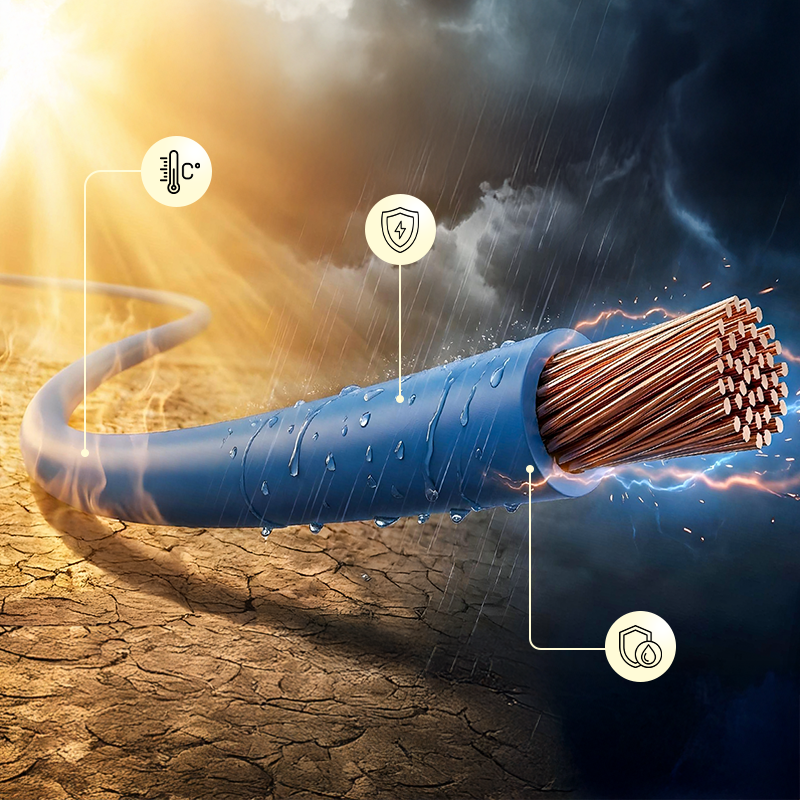
Electric wire should withstand temperature changes, especially in kitchens, attics or outdoor areas.
4. Good Flexibility
Stranded copper wires are easier to install and safer under load variations.
5. Certification and Safety Marks
Look for ISI or equivalent certification on the wire jacket.
6. Long-Term Durability
The wire should resist ageing, retaining its strength and insulation quality for years.
Choosing The Right Wires Keeps Your Home Safe
By paying attention to insulation, conductor material, cable size, load calculation and local codes, homeowners can create a wiring setup that performs reliably for years. A well-wired home protects your appliances, improves efficiency of energy consumption and reduces the risk of electrical hazards.
Crompton offers a range of products designed with safety, durability and performance in mind, perfect for homes that expect both reliability and long-term value.
FAQs of Best Electrical Wires for Home
Which is the best wire for house wiring?
Copper wires with strong, fire-retardant insulation are generally considered the safest and most reliable.
Which brand is best for electrical wiring?
Look for brands that offer certified wires, strong insulation and a proven track record of quality and safety.
Should I use 12/2 or 14/2 for house wiring?
Use 12/2 for higher load circuits and 14/2 for lighter circuits. Your electrician can help you make the best choice.
What type of wire is best for home use?
Single-core copper wires with FR or HRFR insulation are commonly preferred for residential wiring.
Which size cable is best for house wiring?
-
1.0 sq.mm for lighting
-
1.5 sq.mm for fans and small loads
-
2.5 sq.mm for sockets and power circuits
-
4 sq.mm or above for ACs and heavy appliances
Which wire is best for AC?
Most air-conditioners need 2.5 sq.mm or 4 sq.mm copper wires, depending on tonnage and wattage.
How to check wire quality?
Examine the insulation, look for certification, check conductor brightness, feel the flexibility and ensure the strand count is appropriate.
 Read Previous Blog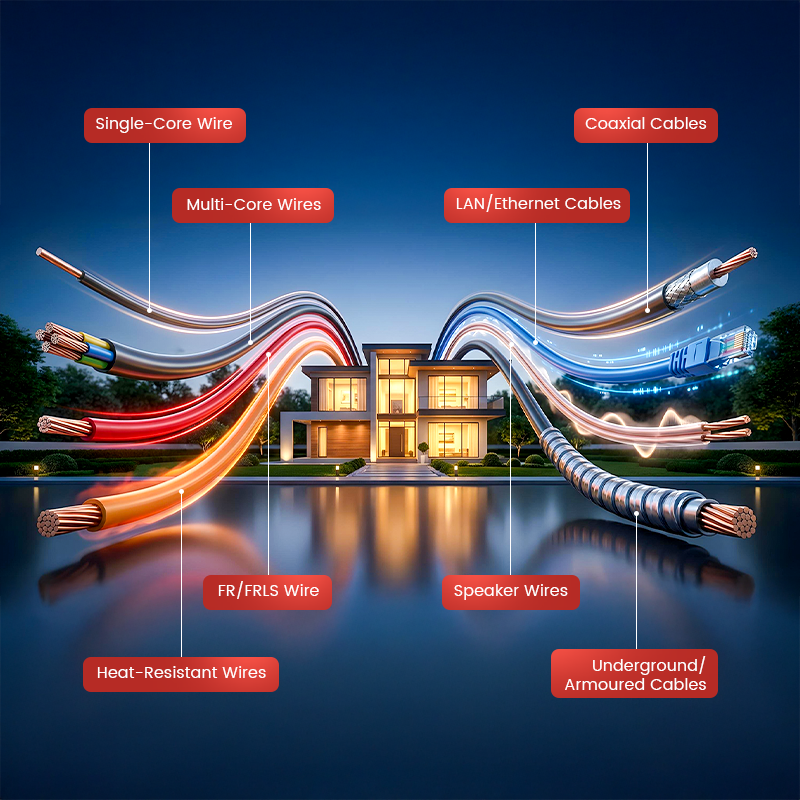



 at 9228880505 or write to us at
