




 For Gifting


Step-by-Step Guide to Using a Dishwasher

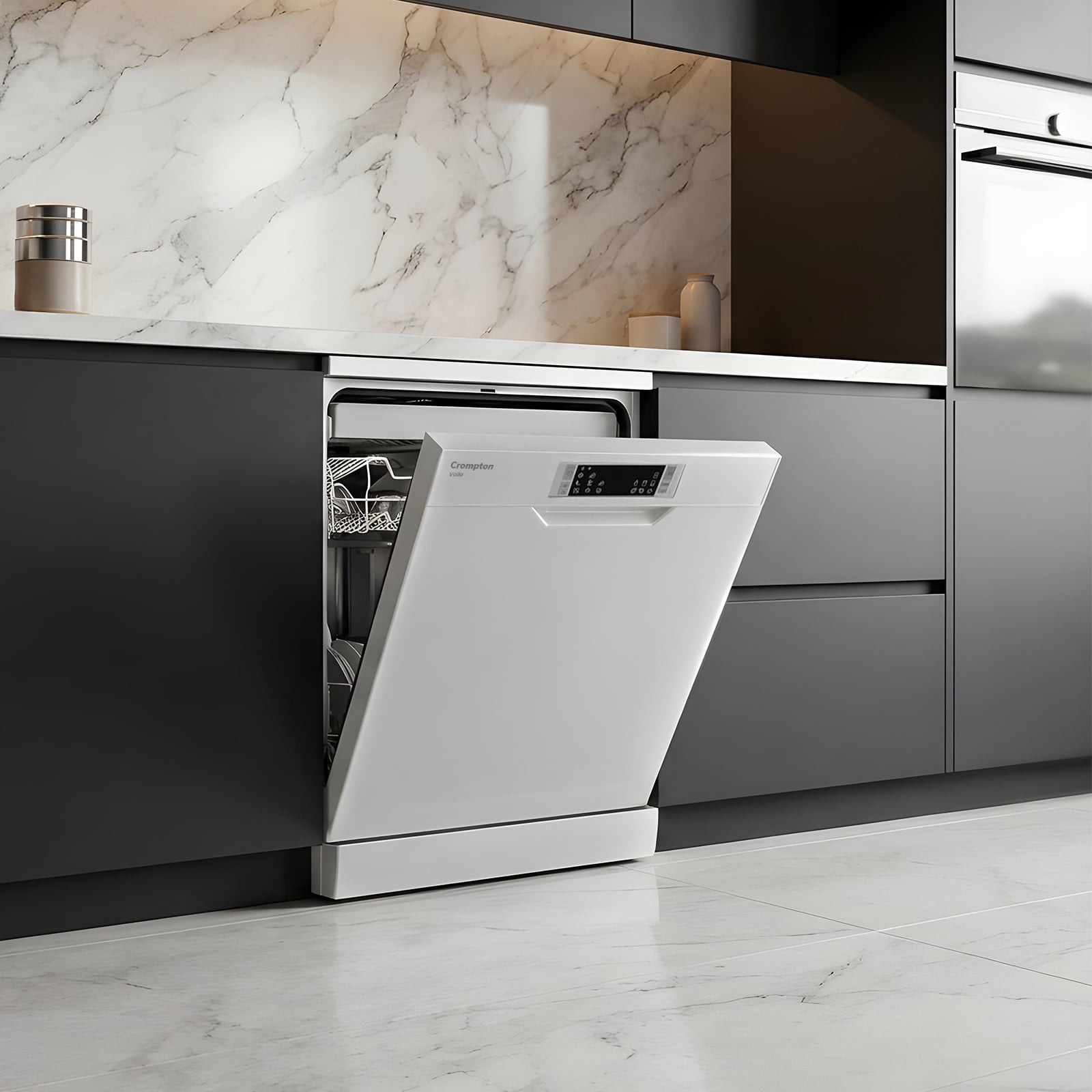
In today’s busy world, a dishwasher is more than a luxury: it is an essential kitchen companion. If you have recently purchased a dishwasher or are about to use one for the first time, this guide walks you through how to use a dishwasher effectively. We will cover installation pointers, loading tips, choosing the right programmes, maintenance and best practices, so that you enjoy clean, hygienic crockery with ease.
Getting Started: Installation & First Use
Before you load your first plate, you need to ensure your dishwasher is properly set up and ready to go.
-
Positioning and Connection
Your dishwasher should be installed in a space where dishes can be easily loaded and unloaded. The water inlet hose and drain hose must not be kinked or trapped, the machine should stand on level ground and the electrical supply must match the rating indicated in the manual.
It is important that the water inlet tap is open, and that once the machine is in place you start the first wash cycle empty to “flush” the system.
-
First-time Set-up
When you use the dishwasher for the first time you should remove any packaging material inside, set the water-softener level if your model includes one, and fill the rinse-aid compartment. For models that use salt (to soften hard water) you will need to fill the salt compartment. If you live in an area of high water hardness then make sure you use dishwasher salt / set the softener correctly so white lime residues do not affect washing performance.
-
Using the Right Detergent
Always use a detergent formulated for dishwashers. Regular dish soap is not suitable and may cause excess suds or damage the machine. When filling the detergent dispenser: open the latch, pour in the appropriate amount for the chosen programme and lock it. Avoid over-filling: too much detergent may leave a bluish film, too little may leave food residues.
How to Load Your Dishwasher?
How you load a dishwasher has a direct impact on cleaning results and drying.
1. Loading guidelines
-
Remove coarse food residues from dishes; you don’t need to pre-rinse them under running water, since manual pre-rinsing wastes water and reduces the efficiency of the machine.
-
Place cups, glasses, bowls, small plates in the upper basket, making sure the opening faces downwards so water can drain. For long stem glasses lean them against the basket edge rather than let them wobble.
-
Place large items such as pots, pans, lids and heavily soiled items in the lower basket. Do not overload or stack dishes on top of each other.
-
Ensure spray arms are not blocked by dishes. If the spray arms cannot rotate the wash will be poor.
-
Using the cutlery basket, place knives with sharp points facing down for safety.
2. Choosing the Right Programme & Starting the Cycle
Once your dishes are loaded and detergent is added, you’re ready to select the programme.
3. Programme selection
Some models come with various programmes: for example, Eco, Quick (30 min), Super 50’, Steam Wash, Hygiene etc.
-
If dishes are only lightly soiled choose a shorter or lighter programme.
-
For heavily soiled dishes (pots, pans, lids) choose a higher temperature/hygiene mode.
-
Warmer wash temperatures combined with drying help ensure hygienic results. For instance, Crompton’s “Hygiene programme” in the Voila series targets that temperature.
4. Operating the Machine
-
Press the On/Off button.
-
Select the desired programme via the Programme button.
-
Optionally use Delay start if you wish to start later (some models allow 1-24 hours delay).
-
Close the door and press Start. The “Remaining Time” indicator will show how long the cycle will take. If the door is opened during a cycle, many models pause automatically.
-
At end of cycle, if your model has extra drying or turbo dry, opening the door slightly after completion can help the drying process.
How To Unload & Maintain The Dishwasher?
To keep your dishwasher performing well for many years, good post-cycle practices matter.
-
Unloading
Once the programme has ended, you may open the door. For optimal drying, leave the door slightly ajar for a few minutes so residual steam escapes (if the machine doesn’t open it automatically).
Unload the lower basket first, then the upper. This helps avoid water from the upper basket dripping onto plates in the lower basket.
-
Cleaning Filters and Spray Arms
At least once a week check the filters (coarse, micro, metal) at the base of the built in dishwasher: remove debris, rinse them under water and place them back securely.
Similarly check the spray arms for blockages (food particles may clog holes). Remove and rinse if required.
-
Descaling and Keeping the Interior Fresh
Mineral deposits, particularly in hard-water regions, can reduce efficiency and leave white deposits on crockery. Regularly running a cleaning cycle (empty machine) or using a dishwasher cleaning product helps prevent this.
Don’t forget to clean the door seal gently with a damp cloth to prevent grime build-up which might affect the seal and lead to leaks.
-
Check for Leaks and Correct Connection
Periodically inspect the water inlet and drain hoses for leaks or kinks. If water remains in the machine, check the drain hose or filter for blockage.
Best Practices & Troubleshooting for Dishwasher
1. When Dishes Aren’t Clean
If after a cycle, items aren’t cleaned properly, check:
-
Have you overloaded the machine? Items must not block spray arms or stack too tightly.
-
Is the correct programme chosen? For heavily soiled items, use a stronger wash.
-
Are the filter and spray arms clean? Food particles might be clogging them.
-
Is the water hardness set properly and is salt/rinse-aid sufficient? All these influence the result.
2. Night Use and Power-Saving
It is generally safe to run a dishwasher overnight, especially if noise levels are low. Some models may also offer a “Save Power” mode which reduces standby consumption and switches off interior lights after the door is open for a time.
Use a Crompton Dishwasher For Efficient Cleaning
In sum, Crompton dishwashers are well-engineered built in appliances designed to free you from the chore of hand-washing and deliver hygienic, sparkling clean dishes with less effort. The key is learning how to use dishwasher machine properly. Ensure correct installation and first-time set-up, load it smartly, use the right detergent and programme, maintain it regularly and follow the guidance around water hardness and filter cleaning.
 Read Previous Blog



 at 9228880505 or write to us at
