




 For Gifting


Clean Your Kitchen Chimney Easily with These Practical Steps

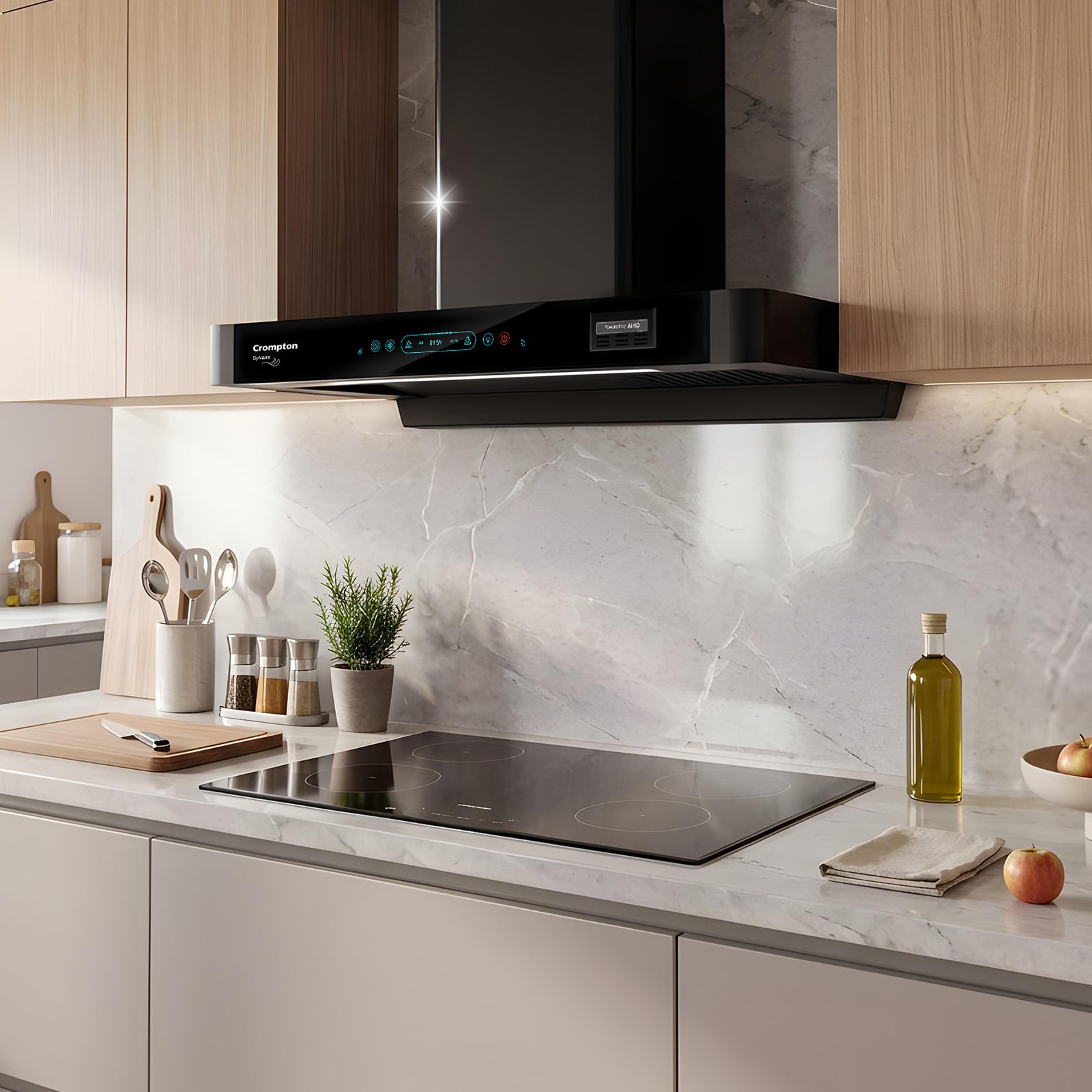
Every home kitchen deserves a fresh, clear atmosphere and keeping your chimney well-maintained is key. If you’re wondering how to clean kitchen chimney at home, this guide will take you through simple, effective steps you can follow and address how to clean your chimney top and the rest of the unit.
Why Cleaning Your Chimney Regularly Matters?
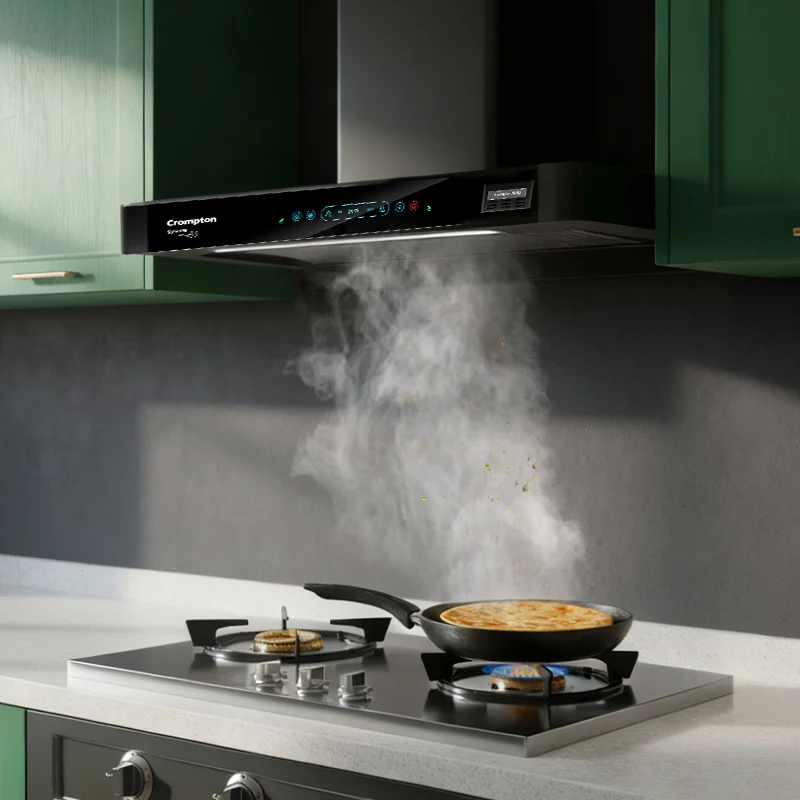
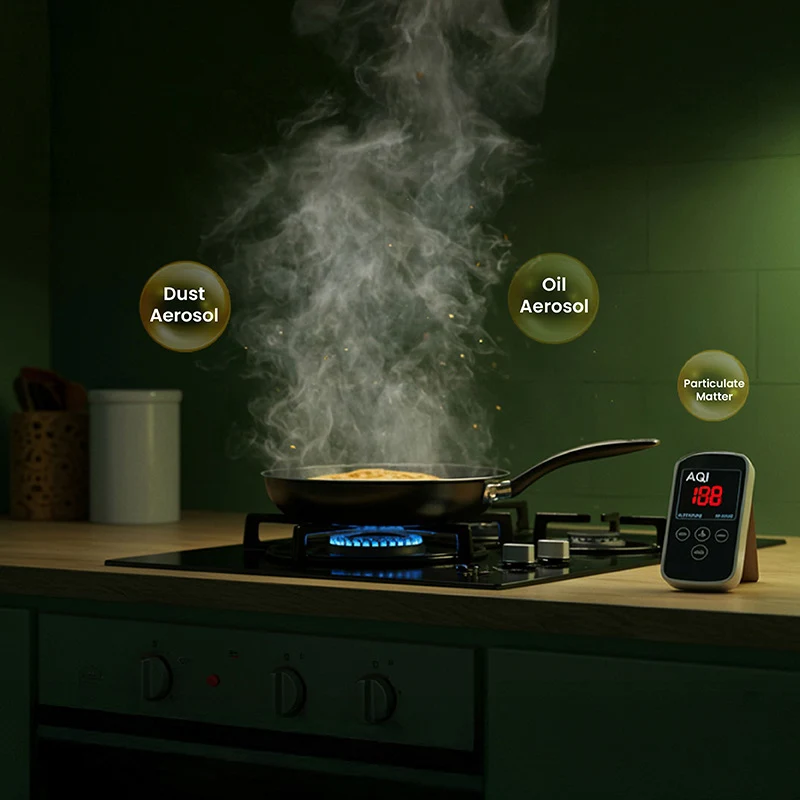
When you cook, especially with tadkas, sautéing or deep-frying, oil vapour, smoke and odours build up in the kitchen air. A good chimney does much of the heavy lifting, removing smoke, odour and grease from your cooking area. A kitchen chimney is a built in appliance that helps trap grease and oil-particles so that they don’t settle on walls, cabinets and ceilings.
But even the best chimney needs maintenance: clogged filters or oil-tray overload reduce suction, leading to lingering odours or visible grease. With traditional manual-clean chimneys, unless filters are cleaned regularly, airflow drops.
Hence, knowing how to clean electric chimney at home is essential to keep the appliance performing at its best.
Preparation: What You’ll Need to Clean Your Chimney
Following items are required for cleaning:
-
Micro-fibre or soft lint-free cloths
-
Mild dish soap
-
Warm water
-
A small brush for corners or ducts
-
Rubber gloves to keep your hands safe
-
A ladder or step stool to clean the top or higher zones
-
A screwdriver to access filters or inside panels
-
Make sure the chimney is switched off, preferably disconnected from power, before you begin. Safety first.
How to Clean Kitchen Chimney - External Surfaces
Start with easy visible parts: the glass or stainless-steel canopy, the control panel, the outer façade. Wipe down the surfaces using the mild soap solution and cloth, removing visible grease-film or fingerprints. Don’t use abrasive cleaners on stainless steel or glass, as they can cause scratches.
How to Clean Grease from Chimney - Filter or Oil-Tray Area
How you approach this depends on the chimney type.
-
Manual filter chimneys: If your unit uses mesh or baffle filters, remove them according to the manufacturer’s instructions. Soak the filters in warm soapy water, scrub gently to remove the thick grease, rinse and dry thoroughly before reinstalling. This is how to clean chimney at home when using a manual model.
-
Auto-clean or filterless models: Crompton’s “Intelli AutoClean” or filterless technology melts the grease and channels it into an oil collector tray. In such cases you will need to remove the oil tray, empty it and clean it with warm soapy water; no heavy scrubbing of filters is necessary. If you are using an electric chimney version, this is how to clean electric chimney: focus on the tray rather than the old-style filters.
How To Clean A Chimney From Inside - Ducts and Internal Panels
While you may not often open up the internals of the chimney, a periodic check is wise. Open the service panel (if the model allows) and inspect the duct or internal motor area for accumulated grease or dust.
If you notice thick deposits, gently vacuum or brush them off using a soft brush. Be careful not to damage wiring or the motor. Cleaning here improves suction power and ensures optimum performance.
How to Clean Chimney Top and External Ducting
Often neglected is the top part of the curved chimney (especially the duct that leads outside). If accessible, remove the cap or cover of the chimney top, wipe off any settled grease or dust, and if possible, check the external vent for blockages (birds’ nests, leaves).
When the duct is free and clean, airflow improves, odours dissipate faster and resistance drops. In homes with serious frying or tadka cooking, this makes a noticeable difference.
How to Clean Kitchen Chimney - Frequency and Best Practices
For manual-clean box chimneys it is recommended to clean the filters every 2-3 weeks, especially if you cook or fry often. For chimneys with auto-clean functionality, activating the auto-clean cycle every 15-20 days and emptying the oil collector tray is sufficient.
Here are best-practice pointers:
-
After heavy frying or sautéing, give the canopy a quick wipe to prevent film build-up.
-
Empty the oil collector tray (for auto-clean models) as soon as you notice oil accumulation.
-
Schedule a deep clean (filter/tray + ducts) every 3-4 months.
-
Always use appropriate cleaning agents; avoid harsh chemicals that may damage the finish.
-
Keep a dry cloth handy to wipe fingerprints or smudges after each cooking session.
Why a Good Clean Chimney Makes a Big Difference
When you maintain your chimney properly you reap several benefits:
-
Stronger suction power and better removal of smoke, odour and oil vapour.
-
Reduced grease-staining of walls, cupboards and ceilings, which keeps the kitchen looking newer for longer.
-
Lower noise and reduced strain on the motor (because less grease means less resistance).
-
Less frequent professional servicing or filter replacement (especially if you use an advanced model).
-
Proper cleaning ensures “low cleaning effort” and sharper performance.
Troubleshooting: When Cleaning Chimney Isn’t Enough
If you’ve cleaned the canopy, filters or tray, and ducts, but you still notice lingering odours, weak suction or unusual noises, then you might need to call in service. For example, check if the motor is functioning properly or if the ducting has developed leaks or obstructions.
Also, confirm whether your model provides auto-clean and other features like a silent inverter motor or a filter-less design. These features, if present, mean less manual cleaning is required and long-term performance is more consistent.
In other words, if your regular cleaning doesn’t restore full performance, it’s best to get professional help rather than push the appliance beyond its design.
Crompton Chimneys Keep Your Kitchen Smoke & Odour Free
Your kitchen chimney is more than just a sleek appliance, it’s your safeguard against smoky, greasy cooking air and it deserves regular attention. When you’re thinking how to clean chimney follow these principles: keep it clean, inspect it periodically, and follow manufacturer-recommended maintenance.
By combining simple cleaning routines with good habits after every cooking session, you can ensure your chimney remains a quiet, efficient partner in your kitchen. If you own a Crompton model with features such as Intelli AutoClean or filterless technology, you’ll find that the cleaning burden is significantly reduced.
 Read Previous Blog



 at 9228880505 or write to us at
