




 For Gifting


Warm White vs Cool White: Understanding the Key Differences

Which Should You Choose - Warm White vs Cool White
When comparing lighting choices, many people think of led vs normal tube light, but the colour temperature, warm or cool, matters just as much. Warm light creates a cosy, relaxing atmosphere, while cool light offers crisp brightness ideal for focus and clarity. Understanding the difference helps you choose lighting that enhances both comfort and functionality in any space.
Warm light Vs Cool light
Gone are the days when picking a light for your space involved only going to the hardware store and picking the one that the salesman would offer. Today, you have many choices not only in terms of CFL and LED bulbs but also in the colour of the light. Most CFL lights offer cool light, while LED lighting can be found in cool white and warm white (yellow) light. Lighting really affects your mood, so it is important to use the right shades of lights at different times of the day. This read will help you make your choice between warm white LED light, and cool white LED light.

What is warm white light?
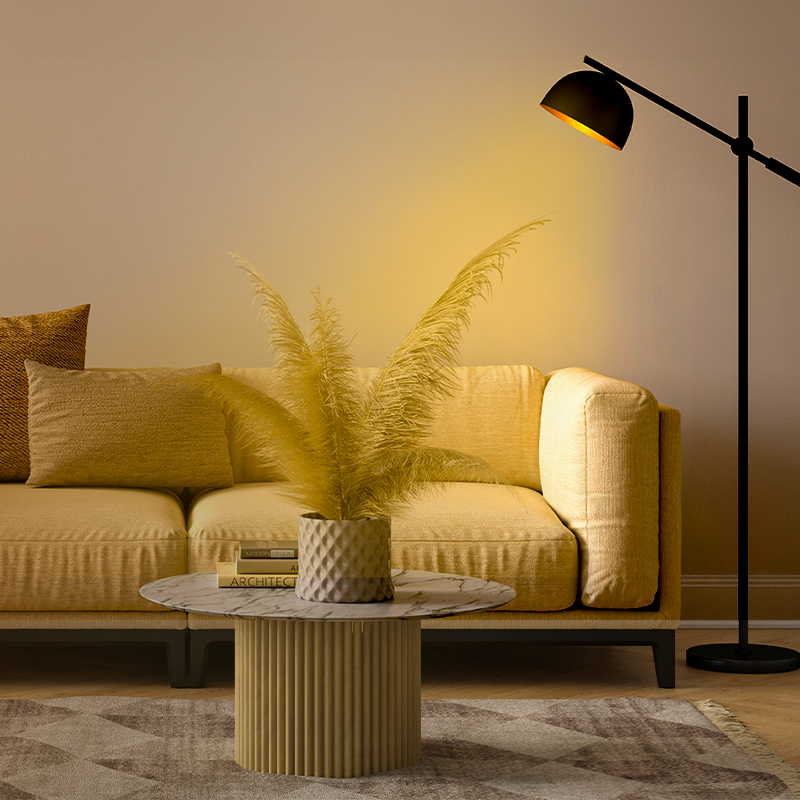
The basic difference between warm white and cool white is the colour temperature. Warm light gives a natural yellowish colour and looks natural. Kelvin colour temperature in lighting is a scale is used to differentiate between the two. Warm white light measures around 2700-3000K. A warm LED light gives a more traditional feel and is ideal for homes.
What is cool white light?
Compared to warm light, cool light looks artificial and emits a bluish colour. As per the Kelvin scale, cool light is more than 4000K. Cool white lights give a cleaner look and are perfect for the modern workspace. One of the biggest benefits of LED lights is that it gives you the choice of picking the colour temperature as per your personal choice.
The difference between warm white and cool white
We should also understand how light temperature factors into circadian rhythms. Warm light bulbs are more compatible with the goal of your circadian rhythm – stimulation of melatonin, the hormone that induces sleep. This is a big reason why lighting is such an important factor in interior designing principles. As per this principle, a cooler, brighter light can be used for the darker early evenings in the winter months, ensuring you are not ready for bed by 6pm, but transitioning to warmer light temperatures as the evening progresses. Let us help you choose lights for different rooms with a warm white vs cool white lighting comparison
|
Feature |
Warm White Lighting (2700K-3000K) |
Cool White Lighting (4000K-5000K) |
|
Color Tone |
Soft, yellowish hue creating a cozy and relaxing atmosphere |
Bright, bluish-white tone offering clear, crisp illumination |
|
Best For |
Bedrooms, living rooms, dining areas and lounges |
Kitchens, bathrooms, workspaces and study areas |
|
Mood |
Promotes warmth, comfort and relaxation |
Enhances focus, alertness and productivity |
|
Visual Comfort |
Gentle on eyes, ideal for evening or ambient lighting |
Provides sharp visibility, ideal for tasks and detailed work |
|
Energy Use |
Slightly lower brightness output; energy-efficient |
High brightness output; energy-efficient with proper LEDs |
Where can warm White light be used?
- Living room: Warm white light in living room is suitable as a living room is where you want to relax and unwind after a long day and socialise with your loved ones. You can always install reading lamps with a cooler hue. A warm white ceiling light is a great way to create the perfect evening ambience.
- Bedroom: Warm white light in bedroom is suitable in as they don’t require cool lighting. Warm white LED ceiling lights promote sleep and are the perfect way to end your day. If your bedroom does not receive any natural light, then slightly soft white lights should be added to aid cleaning and for gloomy days. Follow our tips to light up your bedroom.
- Landscaping: If you have a garden area at the front or back of your house, then opt for warm white light in landscaping as cooler lights will make your garden space ghostly at night.
Where can cool White light be used?
Workspace: Cool white light in workspace is suitable if Your workspace doesnt receive enough sunlight during the daytime. An effective lighting system is essential to reduce any eye strain. Cooler lights will ensure greater productivity in an office space. So, incorporate brighter, whiter bulbs.
Kitchen: You can have a mix of warm and cool white light in kitchen . The platform, functional space should have cooler lights which can help you work while the space where you want to entertain guests or the dining area can have warmer tones.
Bathroom: A cool white light in bathroom is better. It’s largely a functional space that requires appropriate lighting so you can avoid any mishaps. Bathroom mirrors with integrated lighting tend to be cooler, for this reason. However, you can incorporate one or two warmer lights near the bathtub where you want to relax and unwind.
Which one should I use – cool vs warm white?
Now, that you know the basics of cool vs warm white , it is time to understand best lighting colour temperature for bedrooms Firstly, there are no rules. It’s a personal preference. If you like the yellowish colour of a conventional lamp then a warm white light would be the ideal choice, this is the most popular choice for homes. If you want a modern, clean look, you may prefer the cleaner, brighter feel of a cool white lamp. Cool white light contains more blue light and looks brighter to the eye.
In warmer countries, people prefer white light compared to people from cooler countries who prefer warm light.
Pay special attention to what use in commercial spaces as that could play a crucial role in the productivity and efficiency of the employees.
You can also mix and match different colour temperatures of light across the varying levels of your lighting system. However, make sure you use small increments in differences between warmer and cooler lights, rather than using the opposite ends of the Kelvin scale, as this could create a jarring effect on the eyes.
If you are confused about what you really want for your space, you must opt for the Star Lord 3-in-1 LED Recessed Panel as it can completely solve the problem of choosing between different colours. It offers you the choice of switching between colours via a simple switch depending on your mood.
So, you can fully eliminate the confusion of picking any one colour with this modern and smart lighting option.
Points To Consider While Choosing the Right Light Bulb for Your Home
Choosing between warm and cool lighting depends on your room’s purpose, mood preferences and activities. The right light enhances both comfort and functionality, creating a balanced and inviting environment for everyday use.
-
Functionality of the Space
Consider how the space will be used before selecting lighting. For areas requiring focus, like kitchens, study rooms, or workspaces, cool white lighting improves visibility and alertness. Relaxation spaces such as bedrooms or living rooms benefit from warm white lighting, creating a calming and cozy atmosphere that encourages unwinding after a long day.
-
Desired Ambiance
The mood you want to create plays a crucial role. Warm lights offer a soft, soothing glow perfect for intimate, relaxing settings, while cool lights provide sharper clarity, ideal for energetic, task-focused environments.
-
Lighting Layering
Combining different lighting layers can transform any space. Using a mix of ambient, task and accent lighting allows you to control brightness and mood effectively. Warm lights can be used for ambient or accent purposes, while cool lights are excellent for task lighting. Layering these thoughtfully ensures a functional, visually appealing and adaptable environment for work, relaxation, or entertainment.
-
Energy Efficiency
LEDs are highly energy-efficient regardless of warmth. Choosing the right color temperature doesn’t compromise electricity savings, allowing long-term use while keeping power consumption and bills low.
Illuminate Your Space the Right Way
Choosing between warm white and cool white lighting ultimately depends on the purpose of your space, the activities you carry out and the atmosphere you want to create. Warm white light, with its soft yellowish hue, is perfect for areas designed for relaxation, like bedrooms, living rooms, and dining areas. It creates a cozy, inviting environment that encourages comfort and unwinding. On the other hand, cool white light offers bright, crisp illumination, making it ideal for kitchens, bathrooms, workspaces, and study areas where focus, clarity, and productivity are essential. Combining both types through lighting layering can enhance both functionality and aesthetics, allowing you to adjust the mood as needed. Additionally, modern LED options provide energy efficiency, longevity and flexibility in choosing colour temperatures. By carefully considering functionality, ambiance and energy use, you can select the perfect lighting to make your space both practical and visually appealing.
FAQs on Difference between Warm White VS Cool White
-
How does warm white lighting affect the ambiance of a room?
Warm white lighting creates a cozy, relaxing and inviting atmosphere, making spaces feel comfortable, intimate and ideal for unwinding or social gatherings.
-
What are the advantages of using cool white lights in kitchens or offices?
Cool white lights enhance focus, clarity and visibility, making them perfect for workspaces, kitchens, or offices where tasks require precision and alertness.
-
What are the benefits of choosing warm white lighting for your home decor?
Warm white lighting adds elegance and comfort, complements furniture and decor, and creates a soothing, homely environment suitable for relaxation.
-
What is the ideal color temperature for task lighting: warm white or cool white?
Cool white lighting is ideal for task lighting because it provides sharp, bright illumination, enhancing focus, visibility, and productivity.
-
Can you mix warm white and cool white lights in the same room?
Yes, mixing warm and cool white lights balances ambiance and functionality, creating versatile spaces for both relaxation and focused activities.
-
Is warm white or cool white light better for reading or studying?
Cool white light is better for reading or studying, as it reduces eye strain and provides clear, bright, and focused illumination.
 Read Previous Blog



 at 9228880505 or write to us at
