





Ultimate Guide to Choosing the Right Light Colour Temperature

Introduction
There weren’t many options for lighting in the market before, other than a simple tube lightor bulb with one colour, but things have changed a lot since then. People are now becoming more invested in lighting and the shades of colour in their homes due to the variety of options available in the market today. This makes the knowledge of light colour temperature important while choosing your light bulbs or battens. Let us learn how to choose light colour temperature.
What is Colour Temperature?
Colour temperature refers to the shade of white light emitted. Incandescent lamps produce a ‘warmer’ visual effect, whereas fluorescent tubes used in industrial settings produce a ‘cooler’ visual effect. Knowing about light colour temperature has a great hand in setting the mood of a room and understanding what works best in that space.
The colour of the light emitted by a bulb is determined by its Correlated Colour Temperature (CCT). When a metal object is heated, the CCT replicates its Kelvin temperature. The word “correlated” is important because it’s not describing heat, but rather the colour of a metal object at different degrees of Kelvin which results in the correlated colour temperature. This helps to decide the best colour temperature for each room home.
Understanding Kelvin Colour Temperature
Here is LED light colour temperature chart kelvin explained:
When a metal object is heated, it appears to glow. The glow will appear in different colours depending on the Kelvin temperature that is heating the object, such as red, yellow, or blue. These colours are ranked on the Kelvin colour temperature scale from warm to cool, or low to high. Check out the LED Colour temperature chart below.
| Less than 2000k | Dim light like a candlelight |
| 2000k – 3000k | Warm light with a yellow hint |
| 3100k – 4500k | Bright white light |
| 4600k – 6500k | Bright blue white light |
| 6500k and above | Bluish bright light |
Generally, the higher the temperature, the cooler the colour. A 5500K hospital-grade bulb is cooler than a 2700K living room bulb.
3 Different Shades Of Light
Here are the three most important shades of light to help you determine the perfect lighting for your home.
• Warm White light
A warm white LED light shade gives your home a warm appearance and creates an overall atmosphere that is inviting, friendly, and cosy. The light produced at the lower end of the scale, from 2000K to 3000K, is referred to as “warm white,” and it appears orange to yellow-white.
Where Can Warm White Lighting Be Used?
This warm white colour works well in living rooms, kitchens and bedrooms and can be used on floor lamps, table lamps, and chandeliers.
• Cool Day Light
This light shade provides a cool day light to your space, enhancing the overall look and feel of your home and making it feel fresh and invigorating. Above 4500K, we reach “daylight” light colour temperature. Cool white light bulbs with this and higher colour temperatures emit a blue-white light that is similar to daylight.
Where Can Cool Day Lighting Be Used?
Cool day light LED bulbs work well in basements and garages and can also be used on task and security lighting.
• Natural White light
This cool white light shade creates a warm and welcoming atmosphere by giving your space a warm white appearance. Colour temperatures ranging from 3100K to 4500K are known as “cool white” or “bright white.” Cool white light bulbs in this price range will emit a more neutral white light with a slight blue tint.
Where Can Cool White Lighting Be Used?
Cool white LED lights work well in bathrooms, entryways and outdoors and can be used on vanities and overhead lighting.
Sync Your Mood And Biorhythm With The Right Colour Temperature
According to what is colour temperature in lighting guide and light therapy research, different light colours affect moods, heart rates, and sleep patterns. Various light intensities cause the body to release various hormones. A high colour temperature causes serotonin to be released, which affects our mood and energy levels whereas a low colour temperature stimulates the production and release of melatonin, which helps us to unwind, relax, and eventually fall asleep. Light temperature has a significant impact on your mood and biorhythm, so having lights whose temperature you can adjust to match your mood is ideal.
FAQs on Light Colour Temperature?
What is light colour temperature and why does it matter?
Understanding light colour temperature helps you choose lighting that suits each room. It affects mood, clarity, and comfort, influencing how warm, cool or natural your space feels.
How do I choose the right light colour temperature for my bedroom?
For bedrooms, choose warm white (2700K–3000K). It creates a calm, relaxing atmosphere that supports winding down and feels gentle on the eyes at night.
What is the best light colour temperature for the kitchen?
Kitchens work best with neutral or cool white lighting (3500K–4500K). This improves visibility, helps with cooking tasks and keeps the space bright and functional.
What does a warm vs cool vs daylight LED bulbs comparison reveal?
Warm vs cool light temperature compares cosy warm white, crisp cool white and bright daylight tones. Each creates a different atmosphere suited to specific rooms and tasks.
What is the Kelvin scale and how does it relate to light colour temperature?
The Kelvin scale for lighting measures colour temperature. Lower numbers give warmer tones, while higher Kelvin values create cooler, brighter, more energising light.
 Read Previous Blog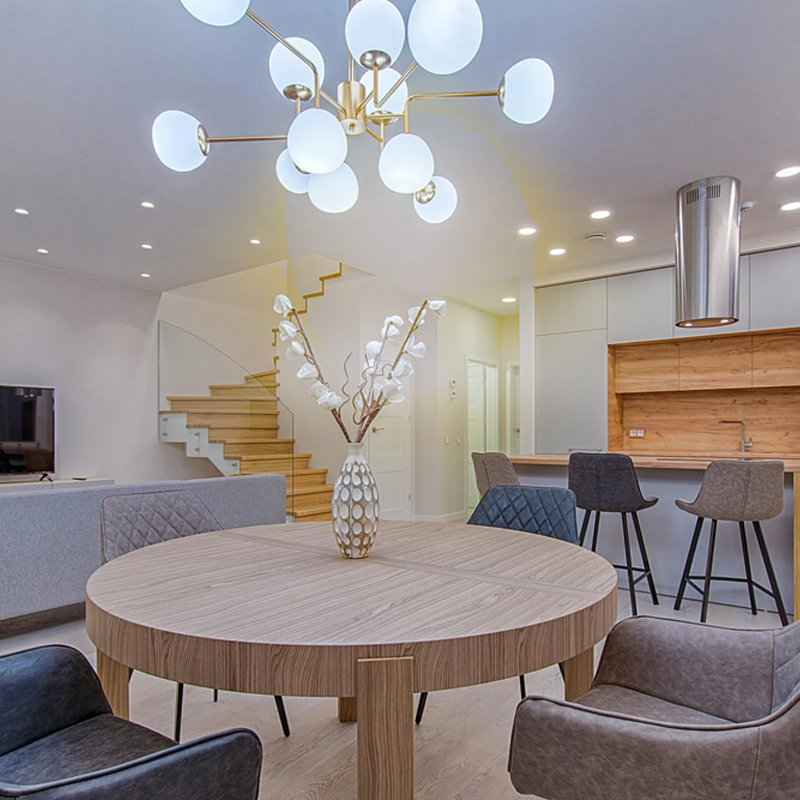




 at 9228880505 or write to us at
