




 For Gifting


Envisioning the Future: Unravelling the Wonders of Smart Home Technology

Introduction
Ever felt overwhelmed with managing daily tasks at home?
A smart home can be an easy solution for you that can transform your living space into an efficient, stress-free, and convenient place.
This smart home technology provides unparalleled convenience by automating mundane tasks. It significantly enhances security, energy efficiency, and offers numerous other advantages of a smart home.
In today’s fast-paced world, a smart home is more than a luxury—it’s an intelligent solution to streamline your lifestyle and elevate everyday living.
What Is a Smart Home?
A smart home is a testament to the advancements in technology, existing in harmony with our daily lives.
It’s a living space featuring interconnected devices and appliances which you can control remotely via smartphone apps or voice-activated systems.
The advantages of adopting this technology far transcend mere convenience.
The benefits of a smart home include increased energy efficiency, enhanced security systems, personalised ambiences, and automation of routine tasks, among others.
These are exceptionally useful today, providing a seamless, efficient, and comfortable living environment. Truly, the smart home is the epitome of modern living.
How Do Smart Homes Work?
How smart home technology works IoT explained: At the core of a smart home lies the power of interconnectivity. It’s a network of devices and appliances that communicate with each other and can be controlled remotely using smartphone applications or voice-activated systems.
By tapping into the Internet of Things (IoT), they share information, respond to commands and more importantly, learn from your habits and routines.
This intelligent automation is what makes our lives easy and efficient – which are among the primary advantages of a smart home.
How to Create a Smart Home?
Let’s delve deeper into how these categories of appliances fit into the smart home ecosystem, adding layers of connectivity, control, and personalisation.
-
Fan
Crompton cleverly helps you integrate cutting-edge smart fans, like Crompton’s SilentPro Blossom Smart fan into your smart home ecosystem.
This fan offers control over speed, scheduling, and an on/off toggle through a mobile application. Plus, it boasts an intelligent Sleep Mode that adjusts the fan speed to ensure a comfortable and energy-efficient operation through the night.
-
Heating
Smart heating devices, such as intelligent thermostats, can revolutionise your living space.
They automate temperature regulation based on your daily routines and weather conditions, improving comfort while conserving energy.
Some can even detect when you’re away to adjust the home’s heating and cooling, hence reducing unnecessary power consumption.
-
Lighting
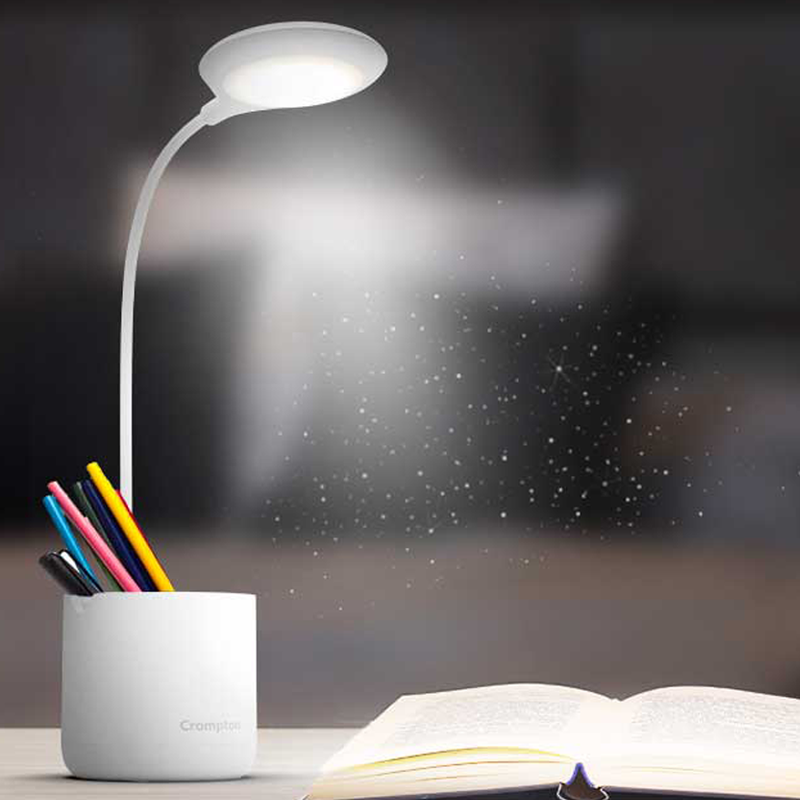
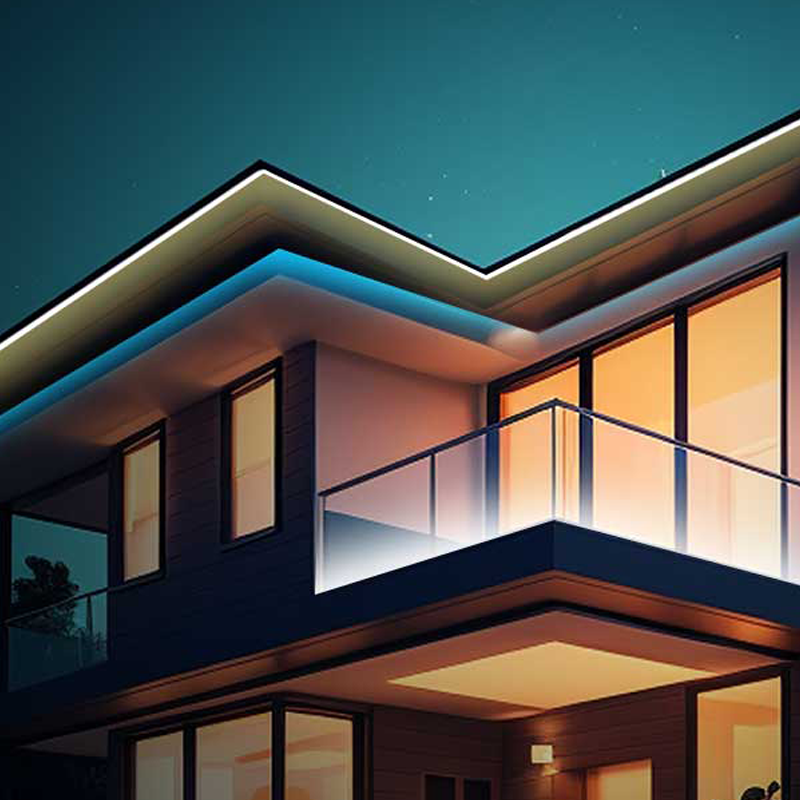
Smart lighting offers the convenience of adjusting brightness, changing colours, and scheduling via a mobile application or voice command.
You can even ‘group’ these smart bulbs together for coordinated automation, drastically enhancing your home’s ambience and aesthetics.
Our Smart Lighting category offers a range of products with various features. The Immensa WiFi Led Lamp comes in two bulb bases. It comes with an additional music mode that allows you to synchronize your light with the music played on the phone to create a better vibe in the room.
We also have Immensa Wifi LED Batten which is dimmable and tunable. They can be controlled by voice commands and are Wi-Fi enabled. Our Star Immensa WiFi LED Ceiling Light is an ideal choice to enhance the aesthetics of your ceiling design, providing both functionality and aesthetic appeal. Additionally LED lights last between 30,000 and 50,000 hours, providing many years of service.
-
Audio/Visual
Create a streamlined multimedia experience with smart audio and visual devices.
This includes smart TVs, audio systems, and virtual assistants that can play your desired music or video content across devices effortlessly.
-
Security
Equip your home with smart security devices like connected locks, surveillance cameras, or motion sensors.
You can remotely monitor your home’s security in real-time, get alerts for unusual activities, and ensure an immediate response if necessary.
Conclusion
Embracing smart home technology undoubtedly enhances our quality of life, optimises resource use, and simplifies the management of day-to-day tasks, ensuring that we’re always connected and in control.
It’s this interconnectivity that ushers in a new era of convenience, customisation, and energy conservation. Use this voice controlled smart home setup guide to learn. Get smart and create a smart home for yourself and your family with best smart home devices for beginners India.
FAQs on Smart Home Technology
-
Can a smart home technology save you money?
Yes, smart home technology can help reduce long-term costs. Features like automated lighting, energy-efficient appliances and smart thermostats prevent unnecessary power use. Also LED strip lights typically last between 30,000 and 50,000 hours. Over time, this controlled consumption leads to lower electricity bills and fewer maintenance expenses. -
Is smart home technology safe?
Smart home systems are generally safe when set up correctly. Most devices use encryption, password protection, and regular updates to prevent unauthorised access. Choosing trusted brands and keeping software updated further improves security and ensures a reliable, worry-free experience. -
Can I convert my existing home into a smart home?
Absolutely. You don’t need a brand-new house to go smart. Many devices, such as smart bulbs, plugs, cameras and speakers, are designed to work with existing wiring and layouts, making upgrades simple, flexible and budget-friendly. -
Are smart homes compatible with all devices?
Not all devices work seamlessly with every system. Compatibility often depends on the platform you use, such as Google Assistant, Alexa, or Apple Home. Checking product specifications beforehand ensures smoother integration and avoids issues later. -
How do LED lights contribute to smart home technology?
LED lights play a key role in smart homes because they are energy-efficient, long-lasting, and easy to automate. When paired with smart controls, they allow scheduling, dimming, and remote operation, making everyday lighting more convenient and cost-effective.
 Read Previous Blog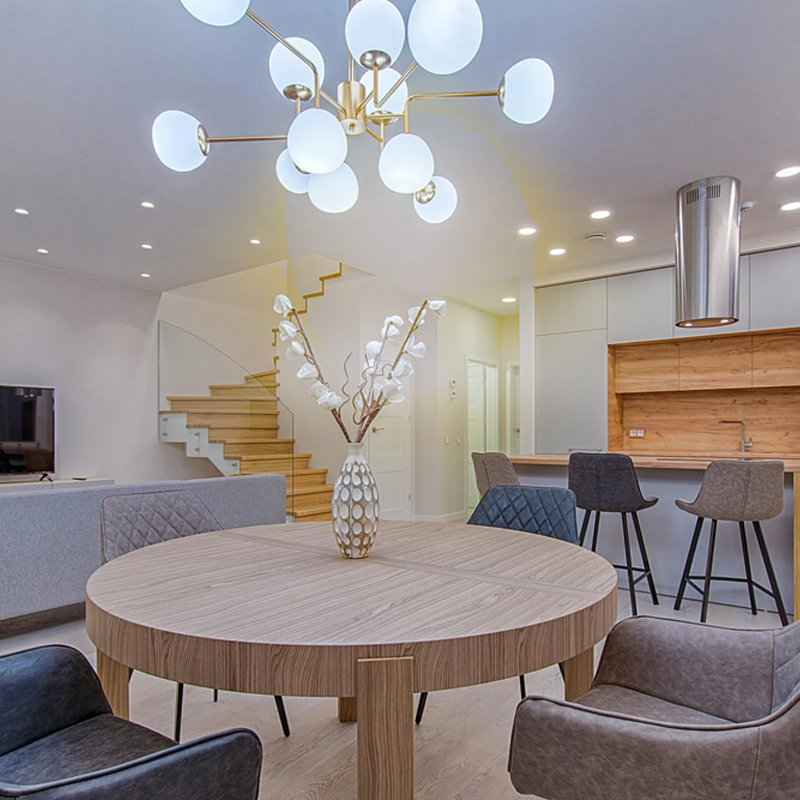




 at 9228880505 or write to us at
