


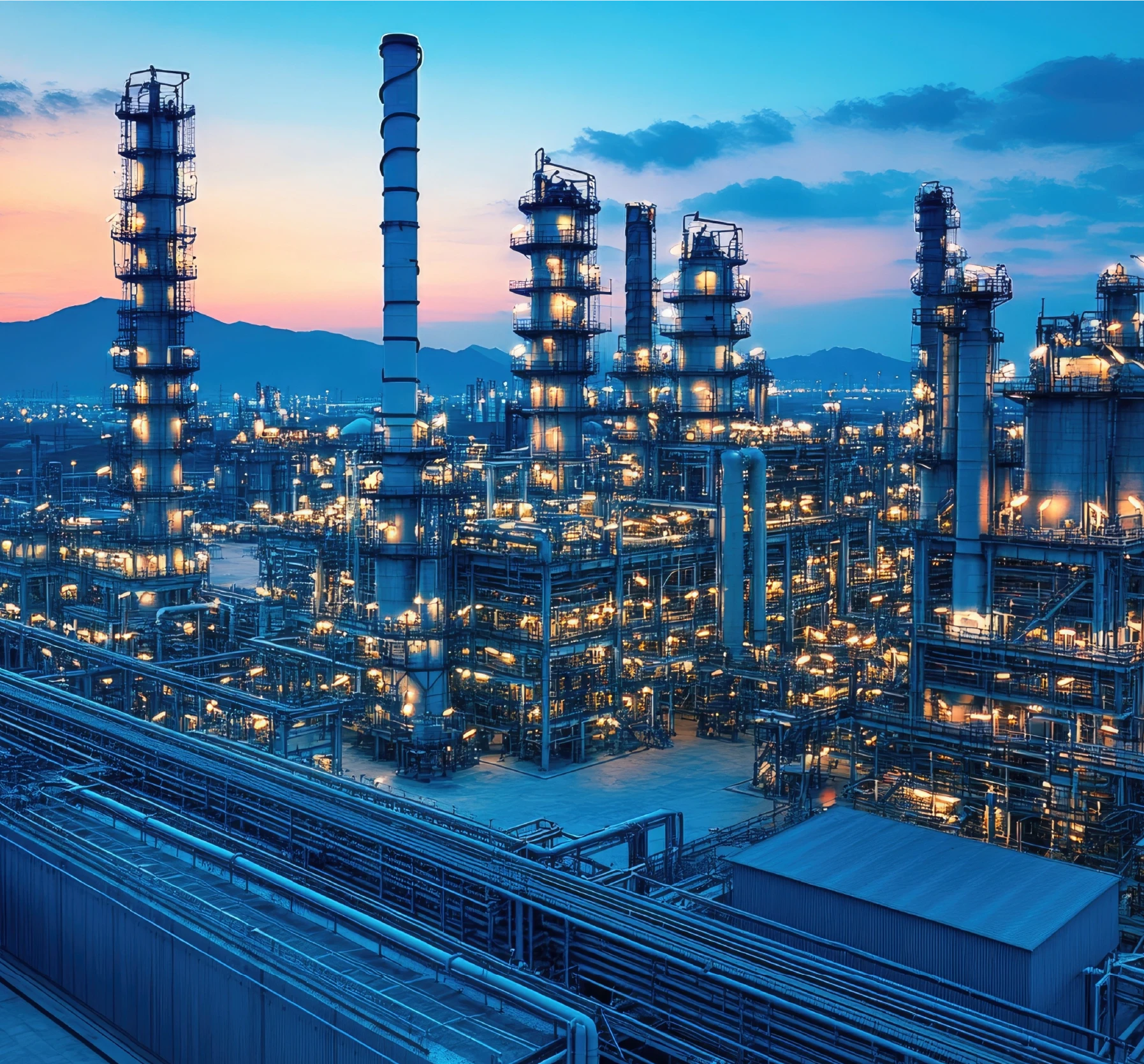
Top Industrial Lighting Trends Shaping 2026
Industrial lighting is evolving beyond illumination to become an intelligent, connected, and energy-efficient business asset. As industries prioritise operational efficiency, sustainability, worker well-being, and digital transformation, lighting systems are playing a strategic role in achieving these goals. From smart controls and IoT integration to predictive maintenance and application-specific LED solutions, the top industrial lighting trends shaping 2026 are helping facilities reduce costs, improve safety, and build future-ready operations.
What Is Industrial Lighting in 2026?
Industrial lighting in 2026 is no longer limited to providing visibility inside factories and warehouses. Modern lighting systems combine high-performance LED technology with intelligent controls, sensors, and connected platforms to deliver measurable business value. These solutions optimise energy consumption, improve workplace safety, support predictive maintenance, and integrate seamlessly with Building Management Systems (BMS). As LED industrial lighting innovations continue to advance, industries are investing in scalable, smart lighting solutions for industry that align with automation, sustainability, and operational excellence. Today's industrial lighting systems are designed to adapt to changing production environments while delivering long-term reliability and performance.
Why Industrial Lighting Is Becoming a Strategic Business Priority?
Lighting has become a critical component of industrial infrastructure, directly influencing productivity, operational costs, and sustainability goals. Organisations are increasingly viewing lighting investments as long-term business decisions rather than maintenance expenses.
The key reasons include:
- Significant reduction in energy consumption through LED technology.
- Lower maintenance costs with longer-lasting lighting systems.
- Improved workplace safety and visibility.
- Support for ESG and carbon reduction initiatives.
- Seamless integration with automation and digital infrastructure.
- Better employee comfort and operational efficiency through intelligent lighting controls.
Trend 1: Energy-Efficient LED Lighting Upgrades
One of the biggest industrial lighting trends 2026 is the widespread adoption of high-efficacy LED lighting. Industries are replacing conventional lighting with advanced LED solutions that consume less power while delivering superior illumination and longer operational life.
The key benefits include:
- Reduced electricity consumption
- Lower maintenance requirements
- Higher lumen output with improved efficacy
- Longer product lifespan
- Better light quality for industrial operations
- Lower total cost of ownership
Trend 2: Smart Lighting Controls and IoT Integration
Modern smart lighting solutions for industry are becoming an essential part of digital factories.
- Motion and occupancy-based lighting automation
- Daylight harvesting for optimised energy use
- Centralised monitoring through connected & IoT lighting systems
- Remote commissioning and diagnostics
- Integration with Building Management Systems
- Data-driven lighting optimisation
- Wireless and wired IoT connectivity
- Automated scheduling and scene management
Trend 3: Human-Centric Lighting for Industrial Workspaces
Lighting is increasingly being designed around people rather than just workspaces.
Human-centric lighting enhances visibility, reduces eye strain, and creates more comfortable environments for employees working across long shifts.
The key advantages include:
- Improved worker comfort
- Better concentration and visual clarity
- Reduced fatigue during extended operations
- Uniform illumination across work zones
- Enhanced safety in precision tasks
- Improved overall workplace experience
Trend 4: ESG-Focused and Sustainable Lighting Solutions
Sustainability continues to influence lighting industry trends across manufacturing and industrial sectors.
- High-efficiency LED systems reduce energy consumption
- Lower greenhouse gas emissions
- Reduced maintenance-related waste
- Longer product lifecycle supports circular economy goals
- Smart controls minimise unnecessary lighting usage
- Compliance with green building standards
- Supports ESG reporting and sustainability initiatives
- Lower operating costs alongside environmental benefits
Trend 5: High-Bay and Application-Specific LED Lighting
Different industrial environments require specialised lighting solutions. Facilities are increasingly adopting LED lighting trends for industrial applications designed for warehouses, manufacturing plants, hazardous areas, clean rooms, and logistics facilities.
These solutions offer:
- Optimised beam distribution
- Higher efficiency for high mounting heights
- Better durability in industrial conditions
- Reduced glare
- Enhanced visibility for specific tasks
- Reliable long-term performance
Trend 6: Connected Lighting Data and Predictive Maintenance
Predictive maintenance industrial lighting is becoming increasingly important as connected & IoT lighting systems generate valuable operational data. Intelligent platforms continuously monitor lighting performance, helping facility managers proactively identify maintenance requirements before failures occur.
The key capabilities include:
- Real-time performance monitoring
- Automated fault notifications
- Usage analytics
- Predictive maintenance scheduling
- Reduced downtime
- Improved asset lifecycle management
- Better maintenance planning
Trend 7: Safer Lighting for Harsh and Hazardous Industrial Environments
Industrial facilities demand lighting solutions that perform reliably under challenging operating conditions.
- High IP and IK protection ratings
- Corrosion-resistant construction
- Reliable operation in high-temperature environments
- Explosion-protected LED lighting for hazardous locations
- Uniform illumination for enhanced safety
- Vibration-resistant designs
- Durable housing for demanding industrial applications
- Compliance with industrial safety standards
Industrial Lighting Trends by Application Area
| Application | Emerging Lighting Trend | Primary Benefit |
| Manufacturing | LED industrial lighting trends with smart sensors | Higher productivity |
| Warehouses | Energy-efficient factory lighting trends | Energy savings |
| Logistics Centres | Connected lighting controls | Operational efficiency |
| Industrial Campuses | Centralised lighting management | Simplified control |
| Hazardous Areas | Explosion-protected LED lighting | Worker safety |
| Parking Areas | Motion sensor lighting | Reduced energy costs |
How to Choose Future-Ready Industrial Lighting Solutions
Step 1: Assess current lighting performance and energy consumption
Step 2: Select high-efficiency LED luminaires suited to your application
Step 3: Implement smart controls such as occupancy and daylight sensors
Step 4: Ensure compatibility with BMS and IoT platforms
Step 5: Choose scalable lighting systems that support next-gen industrial lighting technology
Step 6: Prioritise products with long service life and low maintenance
Step 7: Partner with an experienced industrial lighting solutions provider offering end-to-end support
Crompton Industrial Lighting Solutions for 2026-Ready Facilities
Crompton delivers next-gen industrial lighting technology designed for modern industrial environments. By combining high-performance LED luminaires with intelligent controls, connected platforms, and application-specific solutions, Crompton helps industries enhance efficiency, sustainability, and operational reliability.
Our portfolio includes:
- High-Bay LED Luminaires
- Weatherproof Industrial Lighting
- SensoRange: Smart Lighting Controls
- Occupancy & Daylight Sensors
- Connected Lighting Management Solutions
- Outdoor & Area Lighting
- Emergency Lighting Solutions
- BMS-Compatible Intelligent Lighting Systems
FAQs on Industrial Lighting Trends 2026
Q. What are the top industrial lighting trends shaping 2026?
A. The top industrial lighting trends shaping 2026 include LED upgrades, smart controls, IoT integration, predictive maintenance, human-centric lighting, and sustainable solutions.
Q. How is smart lighting transforming industrial facilities in 2026?
A. Smart lighting solutions for industry automate lighting, improve energy efficiency, and enable centralised monitoring and control.
Q. Why are LED lighting upgrades becoming important for industries?
A. LED industrial lighting innovations reduce energy consumption, lower maintenance costs, and deliver longer-lasting, high-quality illumination.
Q. How does IoT-enabled lighting improve industrial energy efficiency?
A. Connected & IoT lighting systems optimise lighting based on real-time data, reducing energy usage and supporting predictive maintenance.
Q. What role does human-centric lighting play in industrial workplaces?
A. Human-centric lighting enhances visual comfort, reduces fatigue, and creates safer and more productive work environments.
Q. How can industrial lighting support sustainability and ESG goals?
A. Energy-efficient LED lighting and intelligent controls help reduce carbon emissions, energy consumption, and operational costs.
Q. Why are motion sensors and automated lighting controls important in factories?
A. Motion sensors and automated controls minimise energy wastage by ensuring lighting operates only when and where it is needed.


