


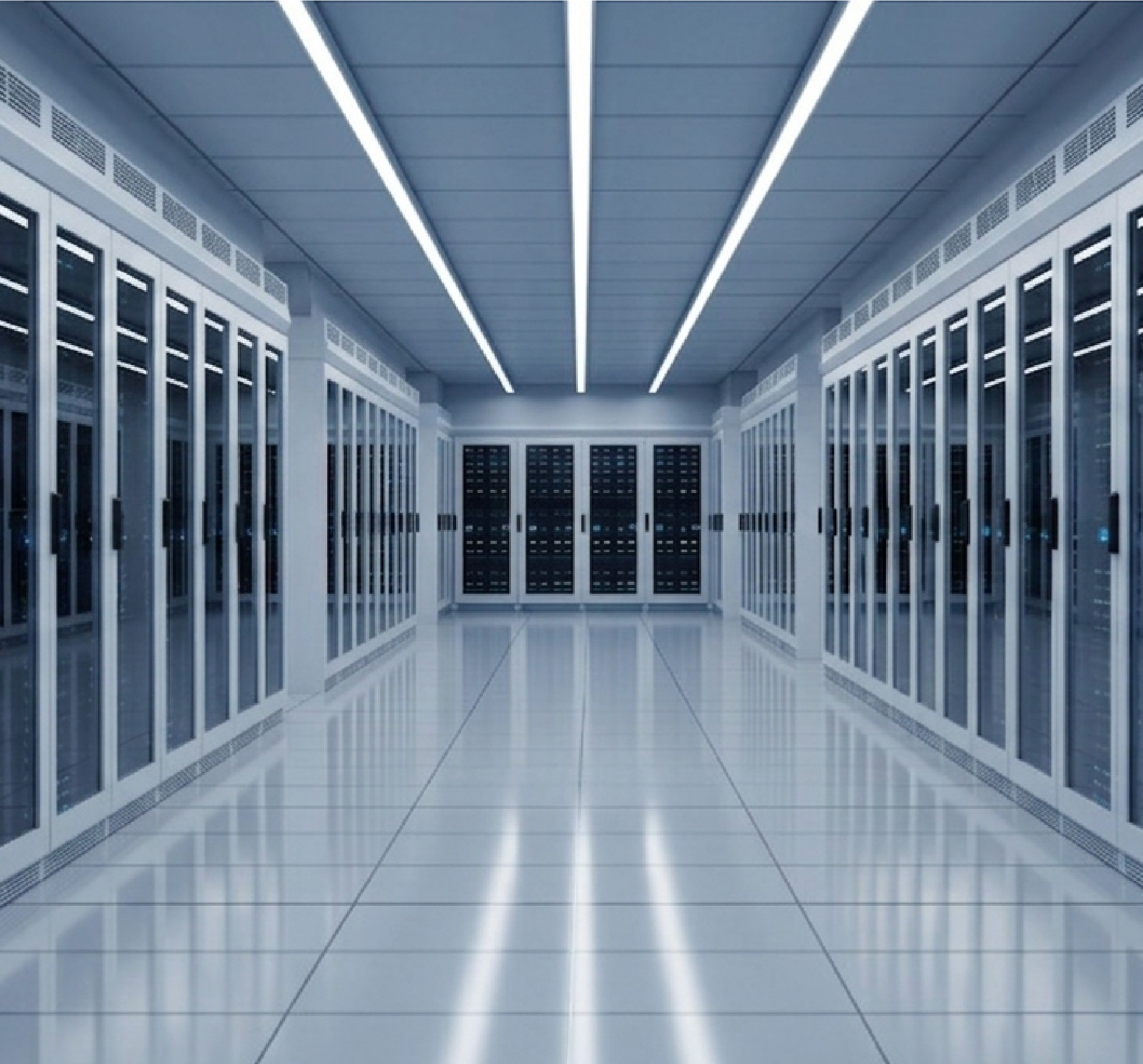
Role of Lighting in Data Center Infrastructure Planning
Data centres are the backbone of modern business, storing and processing critical information 24/7. Yet many facility managers overlook a fundamental element: proper lighting. The role of lighting in data center planning extends far beyond visibility; it directly impacts operational efficiency, employee safety, equipment maintenance, and energy costs. Understanding what are data center lighting requirements and implementing the right solutions means the difference between a data center that merely functions and one that thrives. This guide explores how data center lighting planning supports reliability, safety, and performance in today's high-stakes environments.
Why Lighting Matters in Data Center Infrastructure?
It's easy to assume data centers are dark rooms, just servers humming away. In reality, they're active workspaces where technicians perform critical maintenance, diagnose issues, and ensure systems run smoothly. Proper data center lighting solutions enable teams to work efficiently and safely while protecting expensive infrastructure from damage.
Poor lighting creates real problems. Technicians might misidentify cables or equipment, leading to costly downtime. Inadequate visibility increases accident risks in cramped server racks.
Excessive heat from inefficient lighting strains cooling systems, driving up energy bills. The right lighting system directly supports uptime, safety, and cost control, making it essential infrastructure rather than a minor detail.
Key Lighting Requirements for Data Centers:
- High Visibility: Technicians must clearly identify components, cables, and equipment labels without glare
- Reliability: Lighting systems must operate flawlessly; failures create cascading problems
- Heat Management: Efficient fixtures minimise additional cooling load in already temperature-sensitive environments
- Durability: Equipment must withstand vibration, temperature fluctuations, and constant operation
- Safety Compliance: Lighting must meet industry codes and regulatory requirements for electrical facilities
- Colour Rendering: True colour visibility helps technicians distinguish components and prevent mistakes
- Low Maintenance: Fixtures should require minimal service to avoid disruptions
- Flexibility: Design must accommodate equipment changes and spatial reconfiguration
- Cost Efficiency: Long-term operational and energy costs must be reasonable
Lighting for Server Rooms and Rack Areas
Server rooms demand specialised lighting approaches. Unlike general office spaces, server rooms need focused illumination that supports detailed work without generating excess heat. LED lighting for server rooms has become the standard, offering superior brightness while consuming minimal energy.
Proper server room lighting should include:
- Overhead fixtures providing even, shadow-free illumination across rack rows
- Under-rack lighting for visibility during cable management and maintenance
- Task lighting at workbenches and equipment monitoring stations
- Dimmable controls allowing intensity adjustment based on maintenance needs and natural light
- Protective housing guards against dust and potential water exposure
The goal is to make every connection visible and every maintenance task straightforward. When technicians can see clearly, they work faster, make fewer mistakes, and complete critical tasks safely.
Lighting Design for Hot Aisles, Cold Aisles, and Technical Zones
Data centers use hot-aisle/cold-aisle architecture to manage temperature efficiently. Lighting design must support this thermal management strategy while providing adequate visibility throughout.
| Zone Type | Lighting Approach | Key Considerations |
| Cold Aisles | Standard overhead fixtures, 300–500 lux | Direct access for technician work with careful heat management |
| Hot Aisles | Minimal fixtures, 200 lux, focused on essential areas | Reduced heat generation to preserve cooling efficiency |
| Cable Pathways | Linear fixtures or spotlighting at connection points | Critical visibility for cable identification and tracing |
| UPS and Power Areas | Bright, reliable lighting with backup power | Safety-critical with emergency access support |
| Equipment Monitoring Stations | Task-focused lighting with anti-glare screens | Supports detailed visual work on dashboards and displays |
| Maintenance Work Areas | Bright, adjustable lighting (500+ lux) | Supports detailed equipment installation and repair |
LED Lighting for Data Center Energy Efficiency
Energy-efficient lighting for data centers has transformed infrastructure planning. Traditional fluorescent or incandescent fixtures generate significant heat, forcing cooling systems to work harder. LED lighting for server rooms eliminates this problem while delivering superior brightness and reliability.
LED advantages include:
- Heat Reduction: LEDs generate minimal waste heat compared to older technologies
- Efficiency Gains: Consume 70-80% less energy than traditional fixtures while producing more light
- Longevity: Last 25,000-50,000+ hours, reducing maintenance interruptions and costs
- Instant On: No warm-up time, critical for emergencies requiring immediate visibility
- Directional Light: Focus illumination exactly where needed rather than wasting light in unused areas
By implementing LED lighting for server rooms, data centers immediately reduce energy consumption and cooling costs. The ROI typically achieves payback within 2-3 years through energy savings alone.
Emergency and Backup Lighting in Data Centers
Reliability means having backup systems for everything, including lighting. Data center lighting solutions must include emergency lighting powered by independent systems to ensure visibility during power disruptions.
Essential emergency lighting includes:
- Battery-backed fixtures near critical equipment and exit pathways
- Automatic activation when the main power fails, requiring zero human intervention
- Redundant circuits serve different areas, so single failures don't create dark zones
- Clear wayfinding guides technicians safely out of affected areas
- Maintenance access allowing regular testing and battery replacement
Emergency lighting is insurance against chaos. When power fails, staff must navigate safely while troubleshooting problems. Adequate backup lighting prevents panic and enables orderly response procedures.
Smart Lighting Controls for Data Center Facilities
Intelligent lighting control for data centers represents the evolution of facility management. Rather than fixed brightness levels, smart systems adapt lighting based on actual needs, improving efficiency and supporting operations.
Smart control benefits:
- Occupancy Sensing: Lights brighten when technicians enter zones, dim when areas are empty
- Scheduled Dimming: Gradual adjustment during maintenance windows reduces thermal load
- Zoned Control: Different areas adjust independently, optimising conditions throughout the facility
- Energy Monitoring: Real-time data showing consumption patterns and savings opportunities
- Integration: Connects with building management systems for coordinated facility operations
- Remote Management: Adjust lighting across the entire facility from central monitoring systems
Smart lighting systems for data centers support both efficiency and operational excellence. Technicians get the light they need when they need it, while energy consumption stays minimised during idle periods.
How Lighting Supports Data Center Safety and Maintenance
Proper lighting is fundamental to data center safety. Clear visibility prevents accidents, enables proper maintenance procedures, and supports compliance with safety standards.
Safety benefits include:
- Hazard Visibility: Technicians spot obstructions, trip hazards, and potential electrical dangers immediately
- Cable Management: Clear identification of connections prevents accidental disconnections affecting critical systems
- Fire Safety: Visible emergency exits and signage ensure rapid evacuation if needed
- Equipment Inspection: Proper lighting reveals overheating, loose connections, and component failures before they cause problems
- Documentation Support: Clear visibility enables proper photographic documentation of installations and configurations
- Regulatory Compliance: Most data center standards require specific lighting levels; proper design ensures certification
Data Center Lighting vs Regular Commercial Lighting
| Aspect | Data Center Lighting | Commercial Office Lighting |
| Brightness Requirements | 300–500 lux (focused on task areas) | 300–500 lux (general workspace) |
| Heat Generation | Minimised (direct cooling impact) | Less critical (standard HVAC manages) |
| Reliability Standard | Critical (24/7 operation required) | Standard (business hours primary) |
| Backup Systems | Essential (emergency lighting required) | Recommended (not always mandated) |
| Maintenance Access | Designed for minimal disruption | Standard fixture maintenance |
| Color Rendering | High (CRI 85+) for equipment identification | Adequate (CRI 80) for general work |
| Control Systems | Smart, zone-based dimming | Basic on/off or manual dimming |
| Cost Focus | Long-term operational efficiency | Initial installation and comfort |
Common Lighting Mistakes to Avoid in Data Centers
Even experienced facilities sometimes make lighting errors that cost thousands in wasted energy or operational issues:
- Overlighting Cold Aisles: Excessive brightness generates unnecessary heat, forcing more cooling
- Ignoring Hot Aisle Lighting Needs: Technicians working in hot aisles still need visibility, but fixtures must be minimal and efficient
- Using Older Technology: Continuing with fluorescent or incandescent when LEDs would save dramatically on energy and maintenance
- No Backup Power: Emergency lighting without independent power fails when most needed
- Poor Fixture Placement: Shadows and glare make identification difficult despite an adequate fixture count
- Overlooking Cable Route Lighting: Dimly lit cable pathways cause connection errors during maintenance
- Static Controls: Fixed brightness fails to adapt as the workload and environmental conditions change
- Insufficient Maintenance Access: Fixtures mounted too high or in awkward positions make cleaning and bulb replacement dangerous
How to Choose the Right Lighting for Data Center Infrastructure
Selecting appropriate data center lighting planning solutions requires systematic evaluation:
Step 1: Audit Current Conditions. Walk through your data center at different times. Identify areas with shadows, glare, or dim spots. Talk to technicians about the visibility challenges they experience. This baseline reveals what's working and what needs improvement.
Step 2: Understand Your Infrastructure Layout Map hot aisles, cold aisles, equipment zones, and maintenance areas. Different zones need different approaches. A hot aisle needs minimal, efficient lighting; a maintenance workbench needs bright, shadow-free illumination.
Step 3: Calculate the Energy Impact Model energy costs of your current system versus LED alternatives. Include cooling load reduction from lower-heat fixtures. Most facilities discover LEDs save significantly on combined energy and cooling costs.
Step 4: Evaluate Control Options. Determine whether smart controls make sense for your operation. High-utilization facilities benefit most from occupancy sensing and scheduled dimming. Smaller operations might use simpler manual controls.
Step 5: Plan Backup Systems. Specify emergency lighting coverage and battery backup capacity. Work with local code officials to ensure compliance with electrical safety standards.
Step 6: Create Implementation Timeline. Retrofitting an entire data center at once risks disruption. Plan zone-by-zone upgrades allowing continued operations while systematically improving lighting.
Crompton Lighting Solutions for Data Center Infrastructure
For data centers serious about data center infrastructure planning guide, quality matters tremendously. Crompton provides specialised solutions designed specifically for server rooms and technical facilities:
- High-Performance LED Fixtures: Purpose-built for data centers with minimal heat generation
- Intelligent Lighting Control Systems: Occupancy sensing and dimming that optimise energy use
- Emergency Lighting Packages: Battery-backed backup solutions with automatic failover
- Thermal Management Design: Fixtures positioned to support cooling efficiency
- Durability and Reliability: Built for 24/7 operation with minimal maintenance requirements
- Compliance Ready: Designs meeting data center and electrical safety standards
Crompton understands that high-performance lighting for IT facilities requires different thinking than standard commercial lighting. Their solutions balance visibility, efficiency, reliability, and cost, recognising that data center lighting is operational infrastructure, not aesthetic choice.
Data Center Lighting Planning Checklist
Before finalising your role of lighting in data center planning, verify these essentials:
- Adequate Brightness: Minimum 300 lux in work areas, 200+ lux in server aisles
- Heat Management: LED fixtures reduce thermal load on cooling systems
- Shadow-Free Design: No dark spots or glare in critical work areas
- Emergency Backup: Independent power for emergency lighting throughout the facility
- Task Lighting: Focused fixtures at monitoring stations and maintenance areas
- Control Systems: Smart controls or manual dimming supporting efficiency
- Maintenance Access: Fixtures positioned for safe, straightforward service
- Cable Route Visibility: Adequate lighting for cable pathways and connections
- Regulatory Compliance: Design meeting electrical codes and industry standards
- Energy Monitoring: Systems tracking usage and identifying savings opportunities
- Documentation: Clear labelling showing emergency lighting locations and procedures
- Occupant Input: Feedback from technicians confirming visibility and comfort
FAQs on Data Center Lighting
Q. Why is lighting important in data center infrastructure planning?
A: Proper lighting directly impacts safety, maintenance speed, energy costs, and operational reliability. Technicians need clear visibility to work safely and avoid expensive mistakes. Efficient lighting reduces cooling load and energy bills while supporting 24/7 uptime.
Q. What type of lighting is best for data centers?
A: LED lighting for server rooms is the clear choice, delivering superior brightness while generating minimal heat. LEDs consume 70-80% less energy than older technology and last 25,000+ hours, reducing maintenance disruptions and long-term costs significantly.
Q. How does proper lighting improve data center safety and maintenance?
A: Clear visibility prevents accidents, enables proper equipment identification, supports safe cable management, and reveals potential failures before they cause outages. Adequate lighting ensures technicians work quickly and confidently while reducing error rates dramatically.
Q. What are the lighting requirements for server rooms and data centers?
A: Data center lighting requirements include 300-500 lux in maintenance areas, 200+ lux in server aisles, excellent color rendering for equipment identification, heat-efficient fixtures, backup emergency lighting, and smart controls supporting operational needs.
Q. How can LED lighting improve energy efficiency in data centers?
A: Energy-efficient lighting for data centers using LEDs reduces electricity consumption by 70-80% while generating minimal waste heat. This simultaneously lowers power costs and reduces cooling system load a double efficiency gain that typically repays investment within 2-3 years.
Q. Why should data centers use smart lighting controls and sensors?
A: Smart lighting systems for data centers with occupancy sensing and dimming optimize energy use, adapt to operational changes, provide real-time usage monitoring, and integrate with building management systems. Intelligence transforms lighting from static to responsive infrastructure.
Q. How does lighting design support uptime and operational reliability in data centers?
A: Reliable lighting prevents technician errors that cause downtime, supports emergency response procedures, enables rapid problem diagnosis, and reduces maintenance time through clear visibility. Intelligent lighting control for data centers becomes part of your uptime strategy rather than just facility overhead.


