


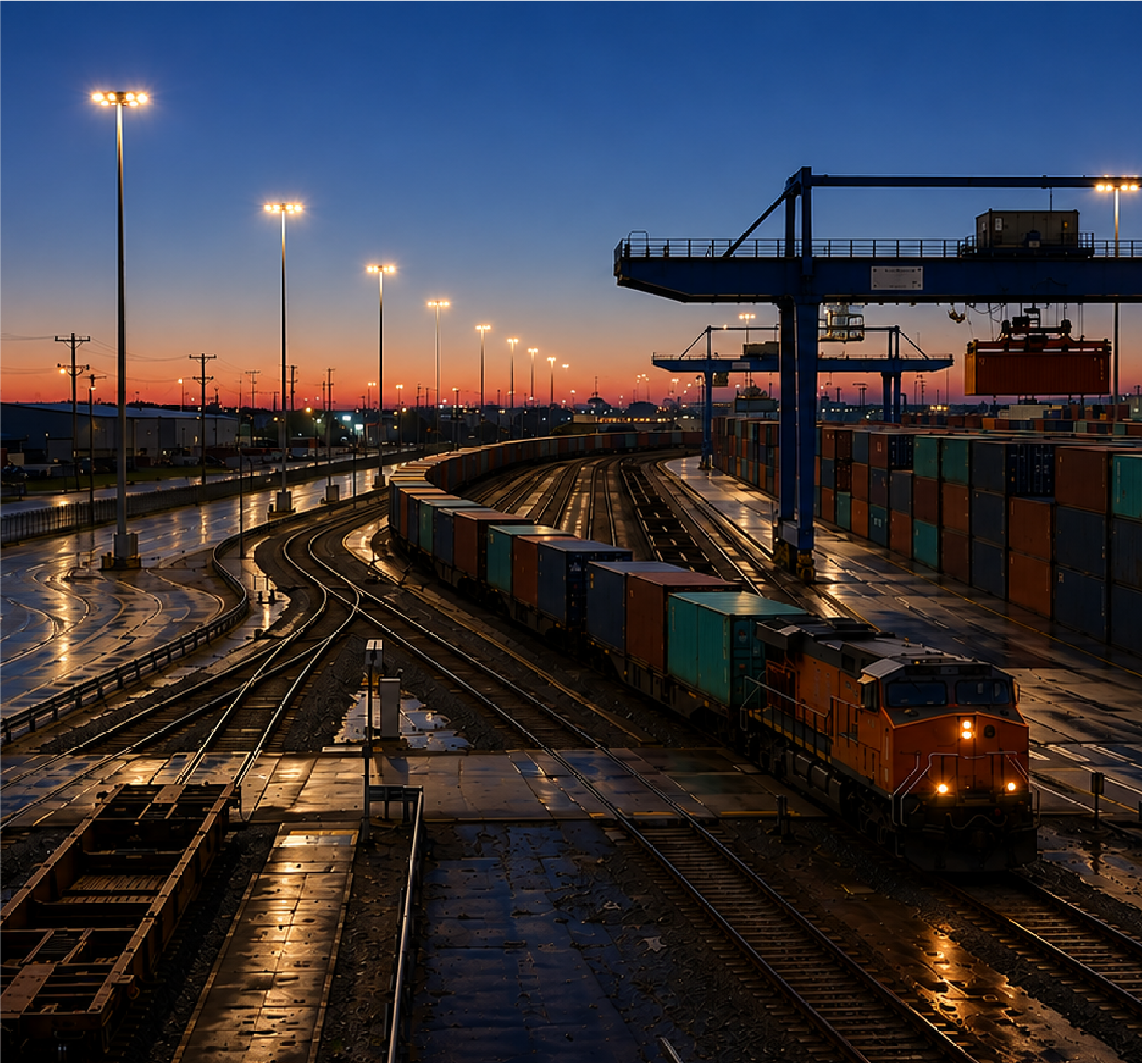
5 Key Factors in Selecting the Right High Mast Lighting Solution for Large-Scale Transportation Hubs
Large-scale transportation hubs such as airports, railway stations, ports, logistics terminals, bus depots, and freight yards operate across extensive areas where reliable lighting is essential. From improving visibility for vehicles and pedestrians to supporting safe loading, unloading, parking, and movement, lighting plays an important role in the overall functionality of these facilities.
High mast lighting is particularly suited to such applications because it can illuminate large areas from strategically positioned, elevated mounting points. However, choosing the right system requires more than simply selecting a high-output LED fixture. Factors such as coverage, uniformity, energy efficiency, durability, and maintenance must be considered together.
So, how to select high mast lighting for transportation hubs? Here are five key factors to consider.
Assess the Area and Lighting Coverage Requirements
The first step is understanding the area that needs to be illuminated. Transportation hubs can include large open spaces such as parking areas, runways, cargo yards, container terminals, railway platforms, and vehicle movement zones.
The size and layout of the facility determine the required number, height, and positioning of high masts. A well-planned arrangement can provide extensive coverage while reducing the number of lighting structures required.
When assessing high mast lighting requirements for transportation hubs, consider:
- Total area requiring illumination
- Height and location of existing structures
- Vehicle and pedestrian movement patterns
- Required illumination levels for different zones
- Potential obstructions to light distribution
- Areas requiring continuous or higher illumination
Proper planning helps minimize dark spots and excessive overlapping of light. It also ensures that critical operational areas receive adequate illumination without unnecessary energy consumption.
Consider Light Distribution and Uniformity
Providing sufficient brightness is only one part of effective high mast lighting. Uniform illumination is equally important, particularly in transportation environments where uneven lighting can affect visibility and safety.
The fixture's optical design, beam angle, mounting height, and light distribution pattern should be selected according to the area being illuminated. Narrower or wider distributions may be appropriate for different zones depending on their dimensions and layout.
Keyhigh mast lighting design considerations for transport hubs include:
- Uniformity of illumination
- Beam angle and light distribution
- Glare control
- Visibility for drivers and pedestrians
- Light spill into surrounding areas
- Illumination of critical operational zones
For example, vehicle movement areas may require consistent lighting across a wide surface, while specific loading or inspection zones may require more focused illumination.
A properly designed system should provide comfortable visibility without creating excessive glare or harsh contrasts between brightly lit and poorly lit areas.
Evaluate Energy Efficiency and Operating Costs
Transportation hubs often require lighting for long operating hours, making energy efficiency an important consideration. A lighting system that consumes excessive electricity can significantly increase operating expenses over its lifetime.
LED high mast lighting can help address this challenge through lower energy consumption and longer service life compared with conventional lighting technologies. However, energy efficiency should be evaluated as part of the overall system rather than based only on fixture wattage.
When considering high mast lighting selection criteria for large areas, look at:
- Luminaire efficacy
- Total connected load
- Expected operating hours
- Dimming capabilities
- Automatic lighting controls
- Expected service life
- Maintenance and replacement costs
Smart controls can further improve efficiency by allowing operators to schedule lighting, adjust output according to operating conditions, or dim fixtures when full illumination is not required.
Considering lifecycle costs rather than only the initial purchase price can help transportation facilities achieve better long-term value.
Prioritise Durability and Environmental Conditions
High mast lighting installed at transportation facilities is exposed to outdoor conditions for extended periods. Depending on the location, fixtures and structures may face rain, dust, humidity, strong winds, temperature fluctuations, or corrosive environments.
Therefore, durability is a major consideration when selecting a high mast lighting system.
The lighting solution should be appropriate for the environmental conditions of the installation site. Important factors include:
- Weather and corrosion resistance
- Protection against dust and moisture
- Structural stability
- Wind loading
- Material quality
- Thermal management
- Long-term mechanical and electrical reliability
Ports and coastal transportation facilities, for example, may have greater exposure to moisture and salt-laden air, while logistics and industrial areas may experience higher levels of dust.
Selecting equipment designed for the site's specific environmental conditions can help reduce premature failures, replacements, and maintenance requirements.
Plan for Maintenance, Controls and Future Expansion
Maintenance is often overlooked during the initial lighting design, but it can have a major impact on the long-term performance and operating cost of a transportation facility.
High mast installations are positioned at considerable heights, so servicing conventional fixtures can require specialised equipment, additional manpower, and operational planning. A reliable system with long-lasting components and accessible maintenance arrangements can help reduce these challenges.
When planning high mast lighting for large transport facilities, consider:
- Ease of fixture maintenance
- Expected component life
- Accessibility for servicing
- Remote monitoring capabilities
- Automated fault detection
- Lighting control systems
- Future expansion of the facility
Smart lighting systems can provide additional operational benefits by enabling centralized monitoring and control. Operators can identify faults, adjust lighting schedules, and manage multiple lighting zones more efficiently.
It is also important to consider future expansion. Transportation hubs frequently undergo infrastructure upgrades, new parking areas, additional cargo zones, or increased vehicle capacity. Designing the lighting infrastructure with future requirements in mind can prevent expensive modifications later.
Choosing the Right High Mast Lighting Solution
Selecting the right high mast lighting system for a transportation hub requires a balance between performance, efficiency, reliability, and long-term operating costs.
The process should begin with understanding the area's size and illumination requirements, followed by careful consideration of light distribution and uniformity. Energy efficiency, environmental durability, maintenance requirements, smart controls, and future expansion should also be incorporated into the planning process.
By considering these factors together, transportation facility operators can develop a lighting infrastructure that provides reliable illumination across large areas while supporting safety, operational efficiency, and long-term cost management.
The right high mast lighting solution is therefore not simply about producing more light. It is about delivering the right level of illumination, in the right locations, with reliable performance and efficient operation over the system's lifecycle.
FAQs
What factors should be considered when selecting high mast lighting for transportation hubs?
Key factors include area coverage, mounting height, light distribution, illumination uniformity, energy efficiency, environmental conditions, durability, maintenance requirements, and lighting controls.
What are the lighting requirements for large transportation facilities?
Requirements vary by application and area. Factors such as the facility's layout, operational activities, traffic movement, safety requirements, and applicable lighting standards should be assessed when designing the system.
How high should high mast lights be for large areas?
The appropriate mast height depends on the area being illuminated, required coverage, fixture characteristics, beam distribution, and desired uniformity. A lighting design calculation should be performed to determine the optimum height.
Why is LED high mast lighting suitable for transportation hubs?
LED high mast lighting can provide efficient, long-lasting illumination with good optical control. It can also be integrated with dimming, scheduling, and smart lighting controls to improve operational efficiency.
How can high mast lighting reduce maintenance and energy costs?
Energy-efficient LED fixtures can reduce electricity consumption, while longer service life can reduce replacement frequency. Smart controls and remote monitoring can further optimize operating hours and help identify maintenance requirements.


