


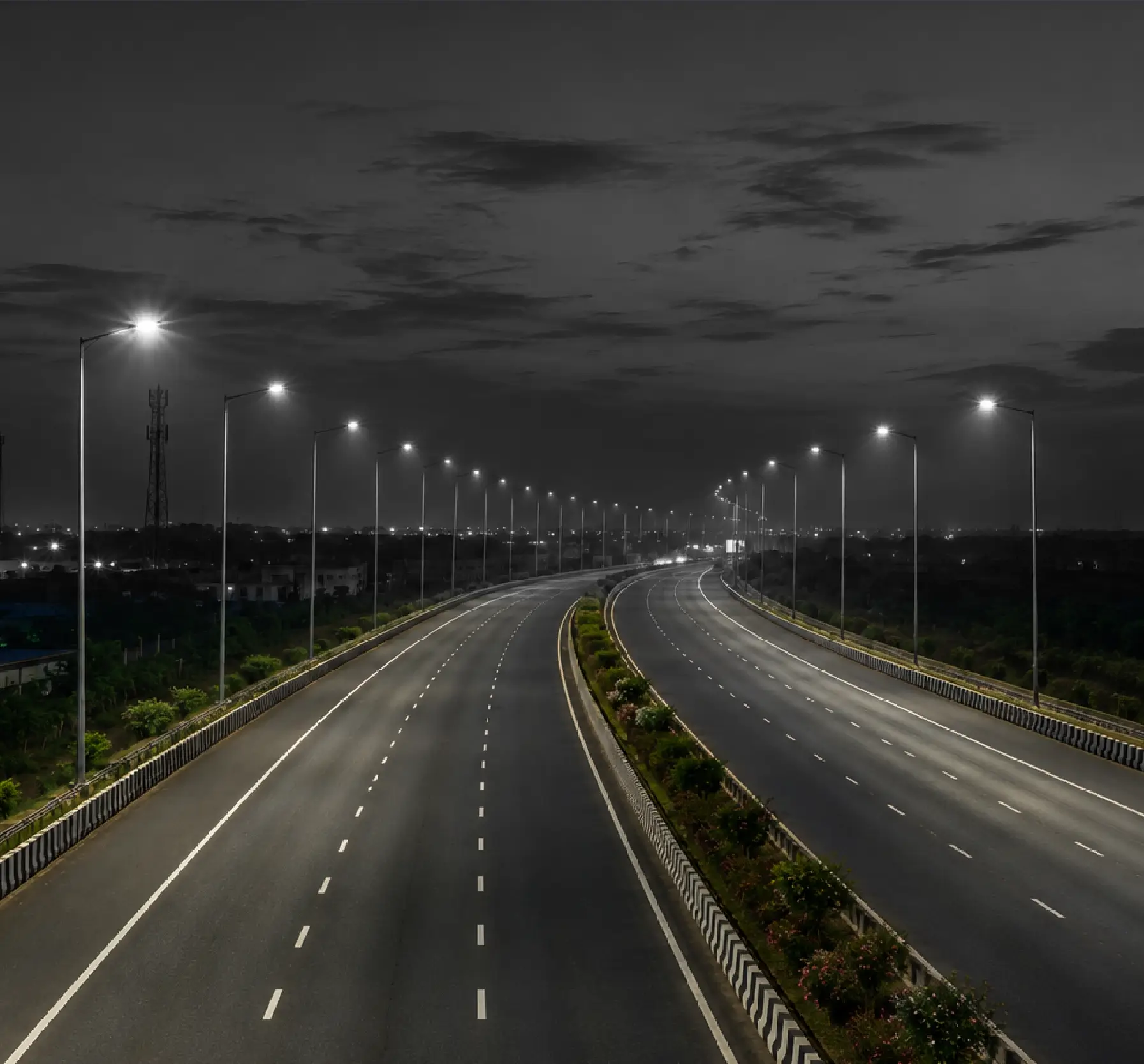
Lighting Design for Super Expressways: Best Practices for Safe Road Illumination
Safe and efficient road transportation requires more than just well-maintained asphalt and clear markings. Proper illumination is equally critical. Lighting design for super e ways represents a specialized discipline that combines engineering excellence with safety standards. This comprehensive guide explores best practices in expressway lighting design and how modern solutions create safer, more efficient highway corridors for millions of daily commuters.
What Is Expressway Lighting Design?
Expressway lighting design is the strategic planning and implementation of illumination systems on high-speed corridor networks. It goes beyond basic street lighting, involving precise calculations of light intensity, distribution patterns, and color temperature to meet highway lighting standards. This field combines physics, engineering, and safety protocols to create optimal visibility across different weather conditions and traffic densities. Energy-efficient expressway lighting has become increasingly important as municipalities seek to balance safety requirements with environmental responsibilities and operational budgets.
Why Lighting Matters on Super Expressways
<>Proper illumination on super expressways has a direct impact on safety, efficiency, and quality of life. Night-time visibility reduces accident rates significantly, while proper highway lighting design ensures smooth traffic flow and reduces driver fatigue.The key benefits includes:
- Reduces nighttime accidents through improved visibility
- Enhances driver confidence and reduces reaction times during low-light conditions
- Minimises glare and shadow patterns that create hazardous driving zones
- Supports effective traffic management and incident response
Key Factors in Super Expressway Lighting Design
Several critical elements define successful roadway lighting design:
- Light Intensity (Lux Level): Appropriate illumination based on traffic volume and speed
- Uniformity Ratio: Consistent light distribution, preventing dark patches and glare zones
- Colour Rendering Index (CRI): Accurate colour reproduction for vehicle recognition
- Spectral Distribution: Optimal wavelengths for visibility without excessive glare
- Pole Spacing and Height: Strategic placement following highway pole lighting principles
- Maintenance Access: Ensuring safe service and repair procedures
Recommended Lighting Zones for Super Expressways
| Lighting Zone | Lux Level (Average) | Application |
| Zone E1 | 50–70 lux | Low-traffic rural expressways |
| Zone E2 | 75–100 lux | Medium-density expressways |
| Zone E3 | 100–150 lux | High-traffic urban expressways |
| Zone E4 | 150–200 lux | Complex intersections and toll plazas |
Types of Lights Used in Expressway Lighting
Modern super expressway lighting utilises various lighting technologies:
- LED Lights: Most commonly used offering, 60-80% energy savings with 50,000+ hour lifespan
- High-Pressure Sodium (HPS): Traditional choice with good colour rendering but higher operational costs
- Metal Halide: Excellent colour rendering for complex intersections and toll areas
- LED lighting for super e-ways represents the current best practice for energy efficient highway lighting.
Role of LED Lighting in Super Expressway Projects
LED technology has revolutionised highway lighting solutions. These solid-state light sources provide instant on/off capabilities, dimming functionality, and compatibility with smart control systems. Smart highway lighting systems now integrate with traffic management platforms to optimize illumination levels based on real-time traffic patterns, weather conditions, and ambient light.
Key advantages of LED implementation:
- 70-80% reduction in energy consumption compared to HPS fixtures
- Dramatically extended maintenance intervals (50,000-100,000 hours)
- Reduced heat generation and improved thermal management
- Enhanced night-time safety through superior light quality
Glare Control and Uniformity in Expressway Lighting
Discomfort glare represents one of the most significant hazards in expressway lighting. Proper lighting design guidelines mandate specific glare control measures. The Glare Rating (GR) index should remain below 55 for safe expressway operation. Achieving this requires precision-engineered optics that distribute light according to carefully calculated patterns.
Uniformity strategies include:
- Strategic spacing ratios between poles (typically 3.5-5 times pole height)
- Anti-glare fixture shielding and precise light distribution patterns
- Careful positioning to eliminate shadow patterns in adjacent lanes
Smart Lighting Controls for Expressways
Intelligent traffic lighting solutions transform how expressways manage illumination. These systems monitor vehicle density, speed, and weather conditions to optimize light output dynamically.
The key benefits includes:
- Real-time traffic adaptive lighting reduces energy consumption
- Weather-responsive systems adjusting intensity during rain or fog
- Integrated management dashboards for centralised control
- Predictive maintenance alerts reducing downtime
Expressway Lighting vs Regular Street Lighting
| Parameter | Expressway Lighting | Street Lighting |
| Lux Level | 75–200 lux | 20–50 lux |
| Pole Height | 10–14 meters | 6–8 meters |
| Spacing Between Poles | 40–70 meters | 30–40 meters |
| Glare Rating Limit | GR < 55 | GR < 65 |
| Control Systems | Smart/Adaptive | Basic/Fixed |
Common Mistakes to Avoid in Expressway Lighting Design
- Underestimating uniformity requirements and creating dangerous dark spots
- Ignoring glare control specifications in fixture selection
- Inadequate maintenance planning for long-term operation
- Failing to account for seasonal and weather impacts on visibility
- Overlooking environmental concerns and light pollution regulations
How to Choose the Right Lighting Solution for Super Expressways
Step 1: Assess Traffic Characteristics
Analyse vehicle density, peak hours, and average speed. Higher traffic volumes require brighter, more uniform illumination.
Step 2: Review Local Highway Lighting Standards
Consult expressway lighting standards India or relevant regional codes to determine baseline requirements and compliance mandates.
Step 3: Calculate Optimal Lux Levels
Work with lighting engineers to determine appropriate illumination intensity for your specific expressway classification and environmental context.
Step 4: Evaluate Technology Options
Compare LED, HPS, and metal halide options based on energy efficiency, maintenance requirements, and lifecycle costs. Modern highway lighting design solutions typically favor LED technology.
Step 5: Plan Integration with Control Systems
Consider smart street lighting solutions that integrate with traffic management infrastructure for optimized performance and maintenance planning
Crompton Lighting Solutions for Expressway and Highway Projects
Crompton stands as a trusted provider of comprehensive highway lighting solutions across India. Our expertise in expressway projects combines innovation with proven field performance.
- High-performance LED street lighting with superior optical performance for expressways and highways (Featured Product: Aplomado Pro+)
- Smart lighting compatibility for centralised monitoring and adaptive control
- Uniform illumination for enhanced visibility and road safety
- Durable, weather-resistant construction for reliable outdoor performance
- Modular design for simplified maintenance and lower lifecycle costs
- Energy-efficient lighting solutions that help reduce operational costs
Super Expressway Lighting Design Checklist
- Verified compliance with regional highway lighting standards
- Confirmed appropriate lux levels for traffic classification
- Calculated optimal pole spacing and height ratios
- Specified glare control requirements in fixture selection
- Reviewed uniformity ratio across all lanes
- Evaluated LED vs traditional technology options
- Planned integration with smart control systems
- Established preventive maintenance protocols
FAQs on Expressway Lighting Design
Q: What is the best lighting design for expressways and highways?
A. The best approach combines high-quality LED fixtures with highway lighting standards compliance, precise pole positioning, and smart control systems. Sustainable lighting design for highways balances safety requirements with energy efficiency and environmental responsibility.
Q: What are the lighting standards for expressways in India?
A. Expressway lighting standards India follow the National Building Code and IRC guidelines. Zone E2-E3 requirements typically specify 75-150 lux average illumination with GR ratings below 55. Specific requirements vary by expressway classification and local regulations.
Q: How does proper expressway lighting improve road safety?
A. Adequate illumination increases visibility of obstacles, lane markings, and vehicles. Studies show proper roadway lighting design reduces nighttime accidents by up to 40%, decreases reaction times, and enhances driver confidence during low-light operation.
Q: What type of lights are used for highway and expressway lighting?
A. LED lighting for super e-ways represents current best practice, offering 70-80% energy savings. High-pressure sodium and metal halide remain options for specific applications where their characteristics match project requirements.
Q: How far apart should street lights be placed on expressways?
A. Optimal spacing typically ranges from 40-70 meters depending on pole height, light intensity, and uniformity requirements. Standard practice uses 3.5-5 times the pole height as spacing, based on road lighting design guidelines and specific project conditions.
Q: What is the ideal lux level for expressway lighting?
A. Ideal levels range from 75-150 lux, depending on traffic volume. Zone E2 (75-100 lux) suits medium-density expressways, while Zone E3 (100-150 lux) addresses high-traffic corridors. Toll plazas and complex intersections may require up to 200 lux.
Q: How can LED lighting reduce energy consumption on expressways?
A. Energy-efficient expressway lighting using LEDs achieves 70-80% reductions versus traditional HPS through superior efficiency, dimming capabilities, and compatibility with smart highway lighting systems. Adaptive controls reduce consumption an additional 20-30% by matching illumination to real-time traffic and weather conditions.


