


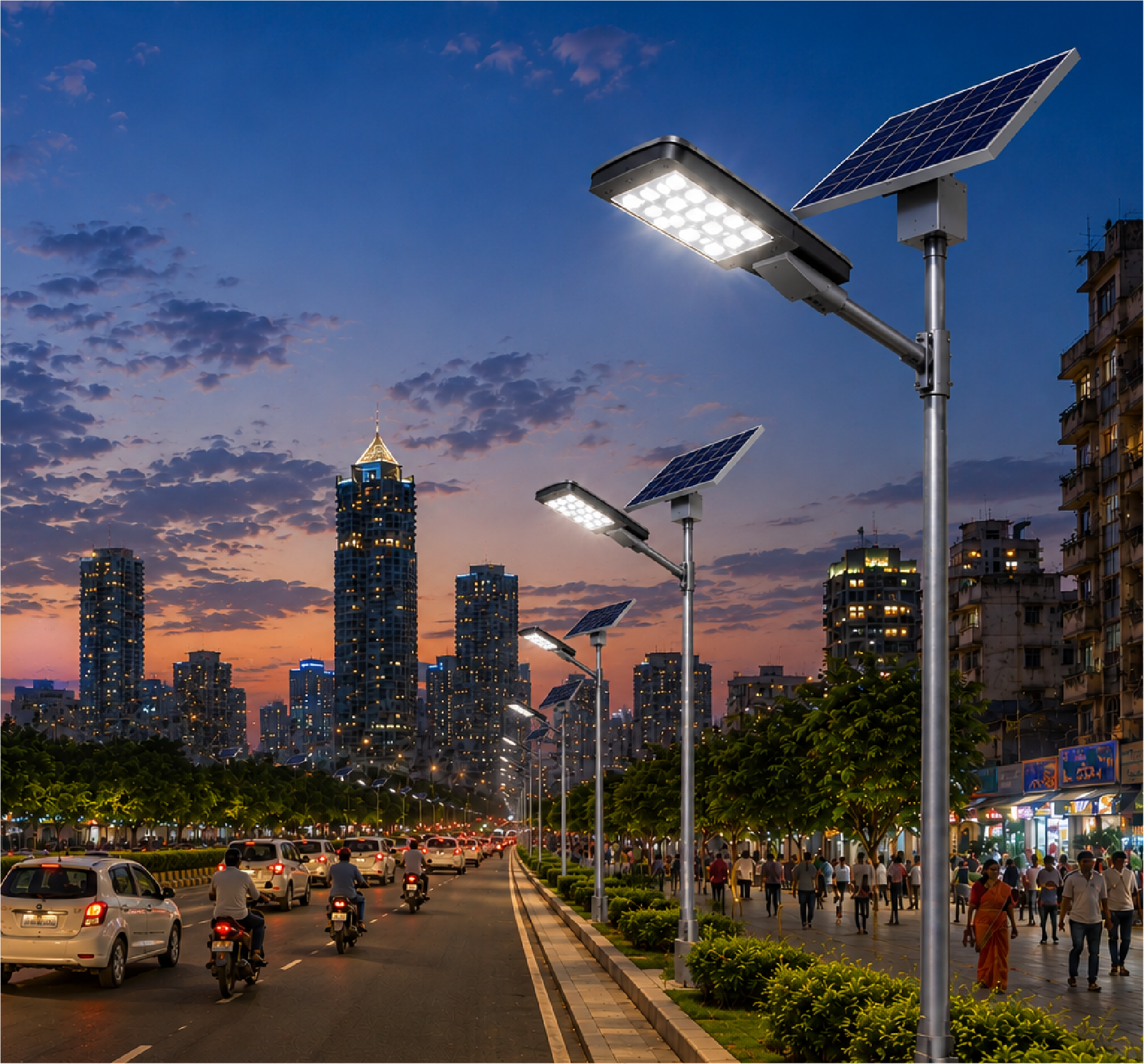
Why Is Solar Street Lighting Becoming the Preferred Choice for Smart Cities?
As urban areas evolve into smart cities, the demand for intelligent infrastructure has never been higher. Among the most transformative technologies reshaping urban landscapes, solar street lighting stands out as a game-changer. But why exactly is solar street lighting becoming the preferred choice for smart cities worldwide? The answer lies in its perfect alignment with sustainability goals, operational efficiency, and the core principles of intelligent urban development.
Cost Savings Through Reduced Energy Bills
Solar street lights eliminate the need for grid electricity, translating into dramatic reductions in municipal energy costs. Cities that have switched to solar infrastructure report cutting streetlighting expenses by 50-80%, depending on location and sunlight availability. This financial advantage extends beyond mere power consumption; installation costs have dropped significantly over the past decade, making the initial investment increasingly attractive. For municipalities managing tight budgets, the benefits of solar street lighting for smart cities become immediately apparent when comparing long-term operational expenses against traditional grid-powered systems.
Independence From Grid Infrastructure
Traditional street lighting depends entirely on the existing electrical grid, creating vulnerabilities during outages and limiting expansion possibilities. Solar street lights operate independently, providing autonomous lighting that functions regardless of grid status. This independence proves particularly valuable in developing regions where grid infrastructure remains unreliable or absent. By adopting solar solutions, smart cities reduce their dependence on centralised power systems and build more resilient urban environments capable of maintaining essential services during emergencies.
Seamless Integration with IoT Systems
Modern solar street lights connect effortlessly with Internet of Things (IoT) platforms, enabling real-time monitoring and data collection. These smart lights can communicate with city management systems, report operational status instantly, and adjust brightness based on actual demand patterns. The role of solar street lights in smart city development extends far beyond basic illumination; they become data-gathering nodes that feed valuable insights into traffic patterns, air quality, and urban activity. This intelligent connectivity transforms streetlighting into an active component of comprehensive city management ecosystems.
Environmental Impact and Carbon Footprint
Solar street lighting for sustainable smart cities represents a commitment to genuine environmental stewardship. Each solar light eliminates greenhouse gas emissions by avoiding fossil fuel-based electricity generation. Over a 25-year lifespan, a single solar street light prevents approximately 100 tons of carbon dioxide from entering the atmosphere. For a city installing thousands of units, the cumulative environmental benefit becomes substantial. This alignment with global climate commitments makes solar adoption a strategic priority for cities targeting carbon neutrality by 2030 or 2050.
Minimal Maintenance Requirements
Solar street lights require virtually no ongoing maintenance compared to their conventional counterparts. Without complex wiring, transformer connections, or regular bulb replacements, operational headaches diminish dramatically. Most quality solar lights function reliably for 8-10 years before any servicing becomes necessary. This low-maintenance advantage directly translates into staffing savings and reduces the burden on municipal maintenance crews. Why are solar street lights used in smart cities? Partly because they free resources that cities can redirect toward other critical infrastructure improvements.
Durability in Diverse Climate Conditions
Modern solar street lighting technologies withstand extreme weather from scorching deserts to cold mountain regions. High-quality units feature sealed batteries, weatherproof casings, and robust structural components designed for longevity. Smart cities benefit from installing streetlighting that requires minimal climate-specific adjustments, providing consistent performance across diverse geographical zones. This reliability makes solar solutions viable for expanding urban areas where environmental conditions vary significantly, ensuring uniform lighting standards city-wide.
Flexible Installation in Remote Locations
Unlike grid-connected lighting that demands extensive cabling and infrastructure investment, solar lights install anywhere, including remote outskirts and newly developed neighbourhoods. This flexibility accelerates smart city expansion, enabling rapid deployment of illumination to previously underserved areas. How do solar street lights benefit smart cities? By allowing urban planners to extend lighting coverage to emerging residential zones without waiting for grid expansion projects. The installation speed and adaptability create competitive advantages in city growth planning.
Revenue Generation Through Smart Features
Forward-thinking cities monetise solar street lighting infrastructure through ancillary services. Smart lights double as EV charging stations, air quality sensors, or emergency alert systems.
Some municipalities generate revenue by selling aggregated data from these networks to urban planners and researchers. Why smart cities use solar street lighting extends beyond cost savings; they represent investment opportunities that create additional municipal revenue streams while enhancing citizen services.
Enhanced Public Safety and Security
Intelligent solar street lights improve nighttime safety through adaptive brightness that responds to pedestrian and vehicle presence. Motion sensors reduce unnecessary illumination during quiet hours, then automatically brighten when activity increases. Integrated cameras and emergency communication systems embedded in smart poles create safer urban environments. Citizens benefit from better-lit streets, while law enforcement gains valuable monitoring capabilities that help prevent crime and respond rapidly to incidents.
Meeting Sustainability Certifications
Many cities pursuing green city certifications or smart city designations find solar street lighting essential to their portfolios. Certifications like LEED for Neighbourhood Development and various smart city frameworks now require or strongly encourage renewable energy adoption. Installing solar infrastructure demonstrates genuine commitment to sustainability rather than mere greenwashing, helping cities achieve official recognition and attract sustainable-minded businesses and residents.
Future-Proof Urban Infrastructure
Solar street lighting technology continues advancing rapidly; emerging innovations include improved battery efficiency, AI-driven lighting optimisation, and integration with 5G networks. By adopting solar infrastructure today, cities position themselves to easily incorporate future technological upgrades without costly grid infrastructure changes. This forward-thinking approach ensures investments remain valuable decades into the future.
Conclusion
The transition toward solar street lighting in smart cities reflects a fundamental shift in urban development priorities. By combining cost efficiency, environmental responsibility, technological sophistication, and practical reliability, solar street lights address multiple city challenges simultaneously. As municipalities worldwide embrace smart city visions centred on
sustainability and efficiency, solar street lighting has become not just preferred; it's increasingly indispensable. Cities that adopt these solutions today build resilient, intelligent, and genuinely sustainable urban environments for generations to come.